
When people think about building strength, they often imagine foundations or load-bearing walls. Yet, above all, the roof platform sits, a system that carries its own demands. A durable roof platform preserves building integrity, protects investments, and ensures worker safety. When durability is ignored, the results show leaks, compromised equipment, safety hazards, and higher maintenance costs.
The durability of roof platforms is the sum of thoughtful planning, quality design, proper materials, and consistent upkeep. Each stage of a platform’s life, from blueprint to inspection years later, contributes to its performance in the long run.
This article looks at the critical considerations for achieving lasting roof platform durability. These are actionable factors that architects, contractors, and facility managers can apply directly to their projects.
1. Material Selection: The Foundation of Longevity
The material chosen to build a roof platform often dictates how long it will endure. Traditional untreated steel may appear strong initially, but it is highly vulnerable to corrosion without protective finishes. On the other hand, galvanized steel, aluminum alloys, and advanced composites provide resilience against rust, weather, and heavy use.
Corrosion-resistant materials extend lifespan while reducing maintenance costs. This choice becomes even more critical in coastal or industrial areas, where salt and pollutants accelerate wear. Lightweight alloys also ease installation and reduce strain on the roof structure itself. A thoughtful approach to materials ensures the platform performs reliably decades later.
2. Structural Stability: Designing for the Load
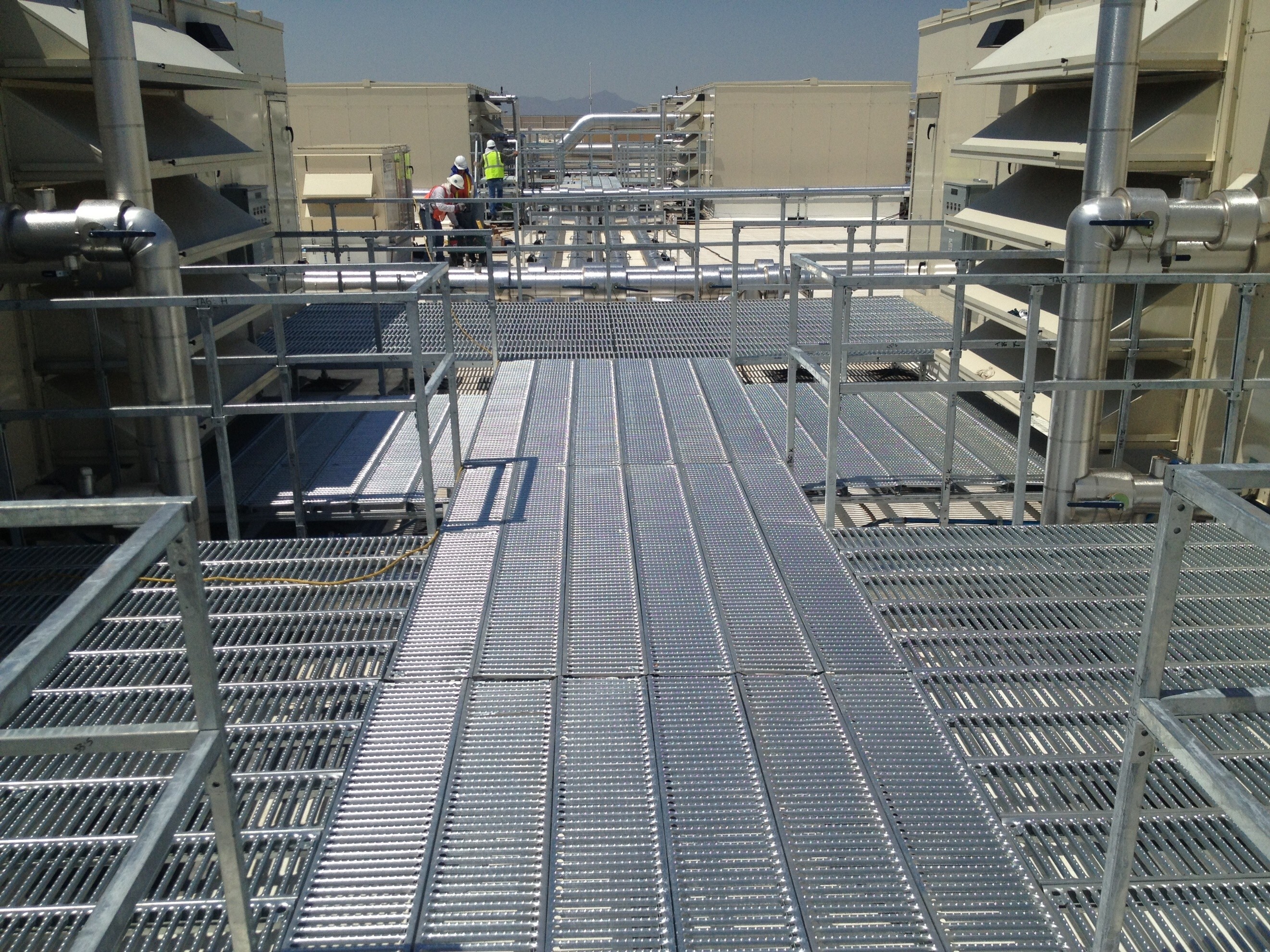
A roof platform is rarely empty. It supports HVAC units, piping, solar panels, or walkways for maintenance personnel. The durability of roof platforms depends heavily on their ability to carry these loads without bending, sagging, or causing roof damage.
Structural stability requires engineers to estimate equipment weight and plan for future expansions or heavier replacements. Uneven load distribution can lead to roof membrane punctures or long-term structural strain. Precision modeling and thorough engineering reviews reduce these risks and create platforms capable of adapting as building needs evolve.
3. Environmental Resistance: Standing Against Nature
Roofs are constantly exposed to forces that wear them down. Sunlight, rain, wind, snow, and even pollution contribute to gradual material fatigue. The roof platform must be designed and coated to resist these pressures.
Protective finishes, UV-resistant coatings, and drainage planning extend durability. In areas with snow, reinforced designs prevent collapse under heavy weight. In hot climates, reflective materials help prevent thermal expansion that weakens joints. Recognizing the specific environmental stressors of a region ensures that the roof platform is durable in theory and resilient in practice.
4. Maintenance Planning: Durability in Action
No platform lasts long without care. A scheduled maintenance plan is one of the most powerful ways to extend roof platform durability. Inspections should include checking for corrosion, verifying the stability of joints, and reviewing membrane conditions where the platform connects to the roof.
Technology is making this process smarter. Platform sensors can track movement, load changes, or early signs of stress. Predictive maintenance based on real-time data allows facility managers to address small problems before they escalate. The durability of roof platforms depends as much on ongoing attention as on initial installation.
5. Compliance with Building Codes: Safety and Durability Aligned
Durability is meaningless if a platform fails to meet building standards. Codes ensure that platforms are safe, stable, and can withstand expected loads. Ignoring them creates risk and opens building owners to liability.
Organizations such as OSHA and IBC set the guidelines for how platforms should be designed, built, and maintained. Compliance ensures that a roof platform is legally defensible and structurally sound. Following these codes protects people, equipment, and the structure while directly contributing to durability.
6. Modularity: Preparing for Future Demands
One of the most significant advancements in roof platform design has been modularity. Modular platforms are pre-engineered, adaptable systems that can be assembled on-site with minimal disruption. Unlike welded or permanently fixed systems, modular platforms allow easy expansion, adjustment, or reconfiguration.
This flexibility means that as a building’s needs change, the platform can adapt without major reconstruction. Fewer penetrations into the roof membrane reduce the risk of leaks, while standardized parts make replacements quick and affordable. Modularity is a strategy for ensuring that durability stretches far into the future.
7. Cost Efficiency Across the Lifecycle
Durability is often linked to cost, and the connection is straightforward. Investing in stronger materials, modular systems, and better coatings may increase upfront expenses, but it saves significantly over time. Buildings with durable platforms spend less on emergency repairs, replacements, and labor-intensive maintenance.
Lifecycle cost analysis highlights how long-term savings outweigh initial investment. Facility managers can forecast reduced operating costs by choosing durability from the start. This balance between cost and quality is central to making roof platforms last.
8. Sustainability and Long-Term Value
Durable platforms are also more sustainable. Materials that last longer reduce waste and lower the frequency of replacements. Platforms that integrate with renewable systems, such as solar arrays or green roofs, contribute further to environmental goals.
Sustainability certifications like LEED often take durability into account. Long-lasting structures reduce environmental impact while improving financial performance. Building owners achieve practical and ecological value by aligning durability with sustainability.
9. Safety as a Direct Extension of Durability
A platform that places workers or equipment at risk cannot be considered durable. Safety features such as guardrails, non-slip surfaces, and stable access points reduce accidents while encouraging proper use and maintenance.
When platforms are safe to use, they are more likely to be maintained correctly, inspected regularly, and trusted by those working on them. In this way, safety directly feeds into long-term durability.
Conclusion: Planning for the Future
Durability of roof platforms is not achieved by chance. It requires foresight in material choice, structural planning, resistance to environmental pressures, ongoing maintenance, and compliance with established standards. Each decision, from the initial blueprint to the maintenance schedule, determines whether a roof platform will protect or fail over time.
For architects, contractors, and facility managers, understanding these considerations is the difference between short-term fixes and long-term performance. A durable roof platform invests in safety, efficiency, and peace of mind.
PHP Design continues to support projects that require strength, adaptability, and compliance, offering expertise that aligns with the principles outlined here. For those seeking solutions that balance durability with practical design, PHP Design remains a trusted partner in achieving lasting results.