

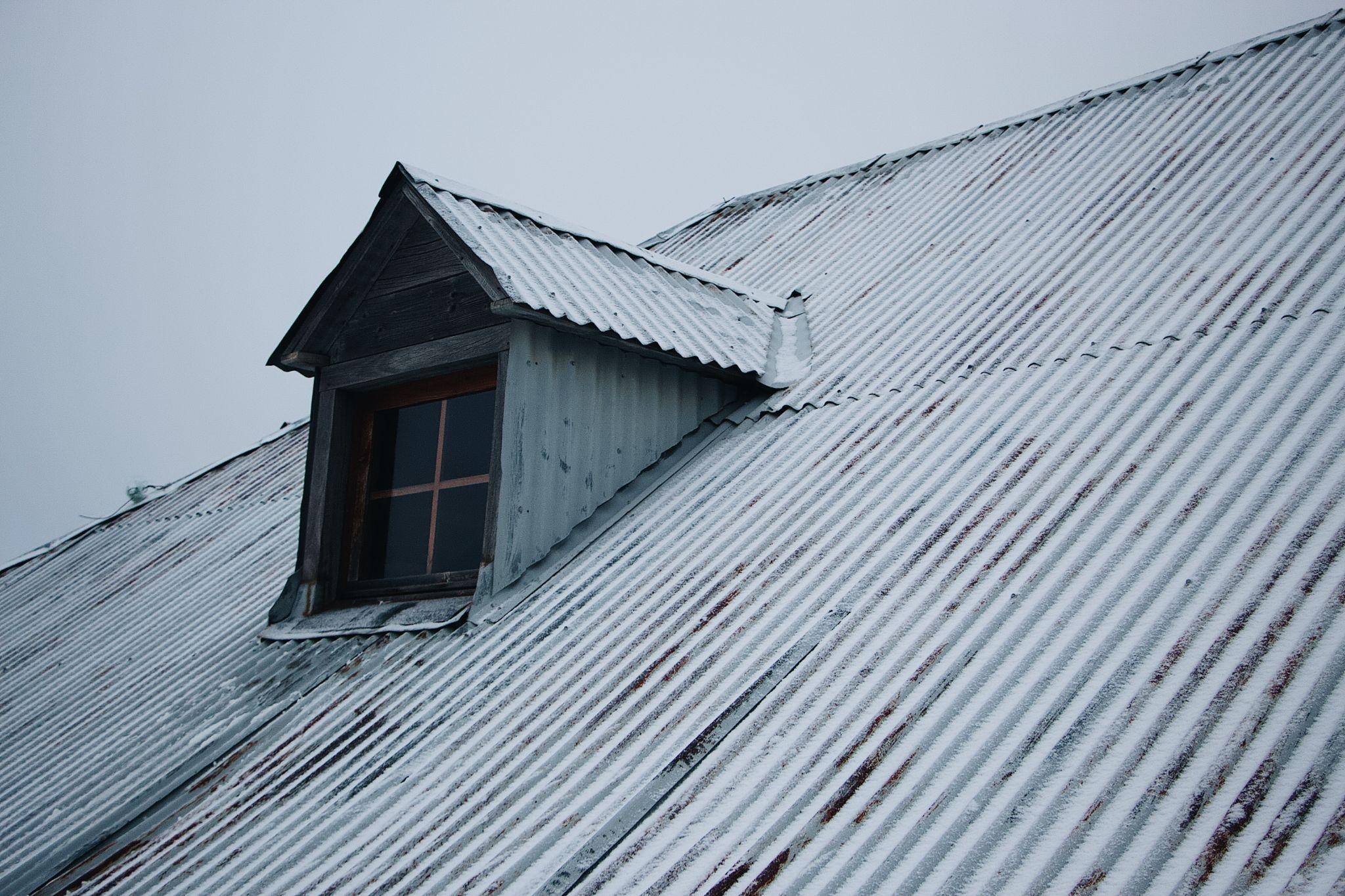
Heavy snowfall places serious pressure on commercial rooftops, especially when equipment sits above the surface. Many buildings rely on platforms to support HVAC units, piping, and other systems. The way these structures are designed directly affects safety and long-term performance.
Strong rooftop equipment platform design reduces risk, while poor planning can lead to major structural issues. Snow buildup around equipment can quickly increase weight, and this added stress can push a roof beyond its limits. In extreme cases, this leads to roof collapse from snow load.
This article explains how to approach design decisions with clarity. Each section highlights practical considerations for managing snow load on rooftop equipment and maintaining compliance with structural requirements.
1. Understanding Snow Load on Rooftop Equipment in Platform Design
Snow load refers to the weight of accumulated snow acting on a surface. In rooftop equipment platform design, this load does not spread evenly across the roof. Elevated platforms create areas where snow gathers at different rates.
Wind patterns shift around equipment and supports. This movement causes snow to pile up in some sections while leaving others exposed. As a result, certain areas carry more weight than expected. These uneven loads often remain hidden until signs of stress appear.
Poor design increases this risk. Platforms that block airflow or create tight spaces can trap snow. Over time, the added weight presses down on the roof deck and supporting structure.
2. Meeting Snow Load Requirements for Rooftops Early in Design
Local building codes define snow load requirements for rooftops, and these rules vary by region. Areas with frequent snowfall require higher load capacity than warmer climates. Ignoring these standards creates immediate risk.
Engineers and designers must work together from the beginning. They need accurate data on expected snow levels and must apply those values to platform design. This coordination ensures that supports, fasteners, and structural components handle the required loads.
Climate zones also affect decisions. A platform that works in a mild environment may fail under heavy snow conditions. Adjustments in materials, spacing, and support strength become necessary.
3. Preventing Roof Collapse from Snow Load Through Proper Planning
The risk of roof collapse from snow load is real, especially in regions with heavy winter storms. Excessive weight places continuous pressure on the roof structure, and weak points can fail without warning.
Planning plays a central role in prevention. Engineers must accurately calculate expected loads and include a margin for extreme weather. These calculations guide decisions on support placement, material selection, and platform size.
Load distribution also matters. Concentrated weight in one area increases stress and raises the chance of structural failure. Balanced design reduces this pressure and keeps the system stable.
Conservative design choices often provide the best protection. By planning for higher-than-average snow loads, project teams reduce the risk of sudden collapse and ensure long-term safety.
4. Designing for Even Load Distribution in Rooftop Equipment Platform Design
Weight distribution directly affects the strength of any rooftop system. In rooftop equipment platform design, uneven loads place strain on specific sections of the roof. This strain can lead to deformation or damage over time.
Platforms should spread weight across a larger area. Proper spacing between supports reduces pressure on individual points. This approach also helps maintain structural balance under varying snow conditions.
Layout decisions influence performance. Designers must align supports with the roof structure to ensure stability. Poor alignment can shift loads away from reinforced areas, increasing risk.
Even distribution becomes even more important during snowfall. Snow adds extra weight, and balanced support systems handle this load more effectively. Careful design prevents stress buildup and protects the roof from long-term damage.
5. Accounting for Snow Drift Around Rooftop Equipment Platforms
Snow drift occurs when wind pushes snow into uneven piles. In rooftop environments, equipment and platforms alter airflow, creating areas where snow collects in larger amounts.
These drifts often form on the downwind side of structures. As snow continues to accumulate, the load exceeds initial calculations. This creates unexpected stress on both the platform and the roof.
Ignoring drift patterns can lead to underestimating the snow load on rooftop equipment. Over time, this miscalculation raises the risk of structural damage.
Design adjustments help manage this issue. Increasing spacing between equipment, adjusting platform height, or changing orientation can reduce drift buildup. Engineers must evaluate wind patterns and anticipate where snow will accumulate. Proper planning keeps loads within safe limits.
6. Selecting Materials That Withstand Snow Load Stress
Material selection plays a key role in managing snow load stress. Strong materials resist bending, cracking, or corrosion under continuous weight and moisture exposure.
Steel remains a common choice for structural supports due to its strength. Coated or treated steel improves resistance to moisture and freezing conditions. Aluminum also performs well in certain applications due to its resistance to corrosion.
Weak materials increase the risk of failure. Over time, repeated freeze-thaw cycles weaken components that lack durability. This deterioration reduces load capacity and compromises safety.
Choosing the right materials ensures the rooftop equipment platform design performs consistently under heavy snow.
7. Elevation and Clearance Considerations in Snow Conditions
Platform height affects how snow interacts with rooftop equipment. Low-clearance designs allow snow to collect around and beneath the platform, increasing pressure on the structure.
Raising equipment above typical snow levels helps reduce accumulation. This clearance allows snow to pass beneath the platform without creating large buildup zones. It also improves airflow, which limits drift formation.
Higher platforms also support better drainage during melting periods. Water drains away from the equipment rather than pooling around the supports.
8. Regular Inspection to Reduce Roof Collapse from Snow Load
Inspection is important during the winter months. Snow buildup changes quickly, and conditions can shift after each storm.
Facility teams should monitor platforms for excessive accumulation. Signs such as uneven snow piles, shifting supports, or blocked drainage indicate potential issues. Addressing these problems early helps prevent damage.
Regular checks also confirm that rooftop equipment platform design continues to perform as expected. If snow loads exceed safe limits, removal may become necessary.
Conclusion
Effective rooftop equipment platform design requires careful attention to snow behavior, structural strength, and layout. Managing snow load on rooftop equipment involves more than simple calculations. It includes proper spacing, material selection, and planning for drift and accumulation.
Meeting snow load requirements for rooftops ensures compliance and protects buildings from damage. Ignoring these factors increases the risk of structural failure and costly repairs.
Planning a rooftop project in a snow-prone region? Connect with PHP Systems/Design for engineered platform solutions that account for snow load and long-term structural performance.