
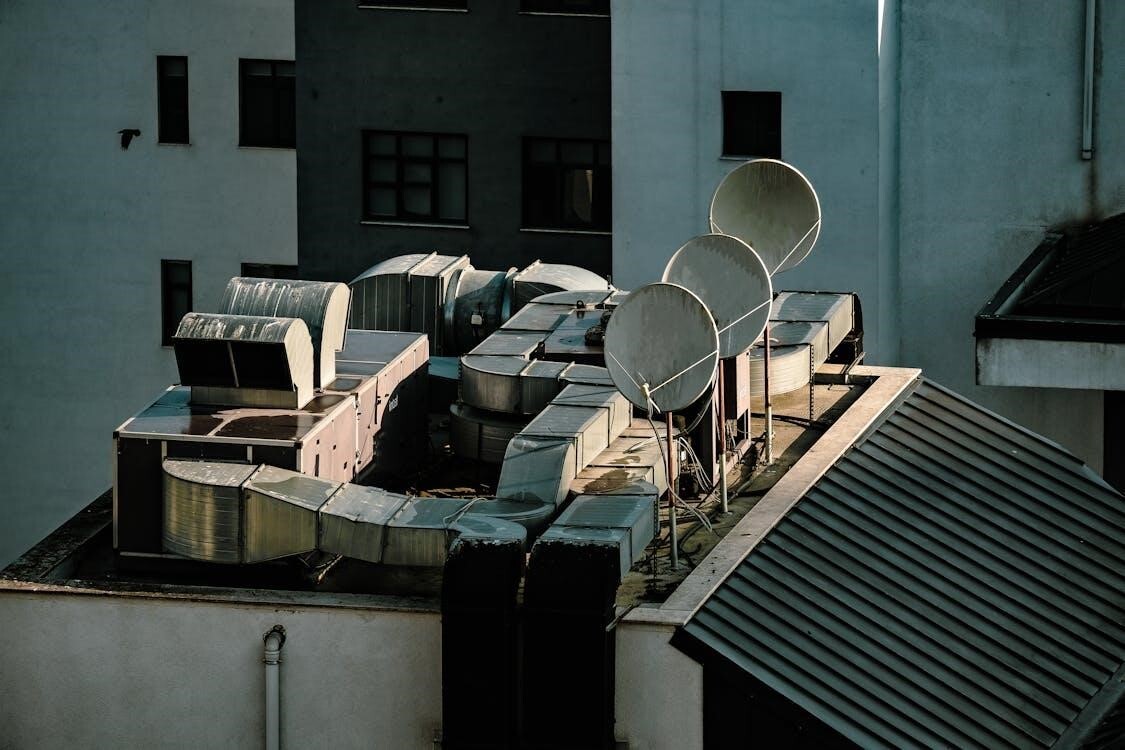
At a glance, rooftop support systems seem fairly straightforward and easy to install. However, there are a number of things that can go wrong during and after installation, especially under seismic or weather stresses. It is important to prioritize quality and functionality to ensure that the system remains cost-effective.
High-quality pipe supports ensure the safety, durability, and efficiency of your building's infrastructure. According to industry reports, well-designed supports can extend the lifespan of roofing systems and reduce maintenance costs significantly.
Here are the top eight features to consider when choosing pipe supports for your next project.
1. Material Durability
The material with which pipe supports are made from plays a critical role in their longevity and performance. High-quality pipe supports are typically made from robust materials like hot-dip galvanized steel, stainless steel, or high-density polyethylene (HDPE).
Here is a table showcasing the properties of these materials:
|
Material |
Durability |
Corrosion Resistance |
Maintenance |
|
Galvanized Steel |
High |
Moderate |
Low |
|
Stainless Steel |
Very High |
High |
Very Low |
|
HDPE |
High |
High |
Low |
Stainless steel, for instance, offers excellent resistance to corrosion, making it ideal for harsh environmental conditions. HDPE is lightweight yet strong, providing ease of installation and handling.
2. Load-Bearing Capacity
The load-bearing capacity of pipe supports is paramount, especially for systems that carry heavy pipes or equipment. It's essential to choose supports designed to handle the specific loads they will encounter.
There are two types of loads that the system will have to bear:
- Static Loads: These are the constant weights that the support must bear, including the weight of the pipes and any permanent equipment.
- Dynamic Loads: These include forces from wind, seismic activity, and thermal expansion. Even walkways need to handle dynamic loads, such as walking individuals or equipment being transported on it. High-quality supports should be tested to withstand such dynamic conditions.
PHP Systems/Design offers pipe supports that can bear loads up to several thousand pounds, ensuring stability and safety under various conditions.
3. Corrosion Resistance
Corrosion can significantly compromise the integrity of pipe supports. Look for supports with high corrosion resistance to ensure longevity and reduce maintenance costs.
Ideally, supports should have a protective coating, such as hot-dip galvanization, to prevent rust. Stainless steel supports offer superior resistance to corrosion, ideal for coastal or industrial environments.
Corrosion-resistant supports can maintain their structural integrity for decades, providing a reliable solution for critical rooftop systems.
4. Ease of Installation
Time and labor costs can be minimized with supports that are easy to install. High-quality pipe supports are designed for straightforward assembly, often requiring minimal tools and expertise.
Key installation features to consider include:
- Modular Design: Supports that come in modular components can be assembled on-site quickly.
- Adjustability: Adjustable supports allow for easy alignment and positioning, accommodating various pipe sizes and slopes.
- Pre-Assembled Units: Some supports are available pre-assembled, further reducing installation time.
Ease of installation not only saves time but also ensures that the supports are installed correctly, enhancing the overall safety and performance of the system.
5. Thermal Expansion Accommodation
Pipes expand and contract with temperature changes, and supports must accommodate this movement to prevent damage. High-quality pipe supports include features that allow for thermal expansion. This may include the use of sliding mechanisms or flexible mountings to begin with.
Supports with sliding mechanisms enable pipes to move without causing stress or damage, while flexible mountings can absorb thermal expansion, maintaining the system's integrity. For instance, PHP Systems/Design's pipe supports are engineered to allow for thermal movement, ensuring the stability of the piping system under varying temperatures.
6. Versatility and Customization
The ability to customize pipe supports to fit specific project requirements is a significant advantage. High-quality supports should be versatile enough to be used in various applications and easily customized to meet unique needs.
A few examples of customizability when it comes to pipe supports include:
- Size and Shape: Supports should be available in different sizes and shapes to accommodate various pipe dimensions.
- Mounting Options: Multiple mounting options, such as roof or wall mounts, provide flexibility in installation.
- Load Adjustments: Supports should allow for load adjustments to cater to different weights and forces.
7. Environmental Sustainability
Sustainability is becoming an increasingly important factor in construction projects. High-quality pipe supports should be designed with environmental considerations in mind. Supports made from recyclable materials reduce the environmental impact.
For this, the manufacturing process should aim to minimize energy consumption and emissions. Supports reduce the need for frequent replacements, lowering overall material usage and waste.
PHP Systems/Design emphasizes sustainability in their products, offering supports made from eco-friendly materials and utilizing energy-efficient manufacturing processes. In regions prone to earthquakes, seismic compliance is a critical feature for pipe supports.
Seismic-rated supports are designed to withstand the lateral and vertical forces generated during seismic events, ensuring the stability and integrity of the rooftop systems. Key considerations for seismic support, while keeping environmental sustainability in mind include:
- Seismic Bracing: Supports should include bracing that prevents movement during seismic activity.
- Compliance with Standards: Ensure that the supports comply with local and international seismic standards and building codes.
- Testing and Certification: Look for supports that have been rigorously tested and certified for seismic performance.
8. Maintenance Requirements
Maintenance is a significant factor when evaluating pipe supports. High-quality supports should require minimal maintenance, reducing long-term costs and ensuring consistent performance.
Supports should be designed for easy inspection and access, allowing for routine checks and maintenance. Protective coatings such as powder coating or galvanization can prevent rust and wear, minimizing the need for frequent maintenance.
Furthermore, supports with replaceable components can be maintained without the need for complete system overhauls.
For Example: PHP Systems/Design incorporates these features into their products, ensuring that their pipe supports are low-maintenance and long-lasting. Regular maintenance schedules can be significantly reduced, leading to cost savings and less downtime for building operations.
Selecting the right pipe supports involves considering various features that contribute to the system's overall performance, safety, and sustainability. The key consideration for high quality pipe supports should be material durability, load-bearing capacity, corrosion resistance, and thermal expansion accommodation.
To ensure that you get the best pipe supports for your commercial or industrial property, you should call the experts at PHP Systems/Designs. We have worked on a wide range of projects over the years, manufacturing reliable, sustainable, and long-lasting systems for all sorts of properties. Get in touch with us to see how we can help and request pricing for your project!