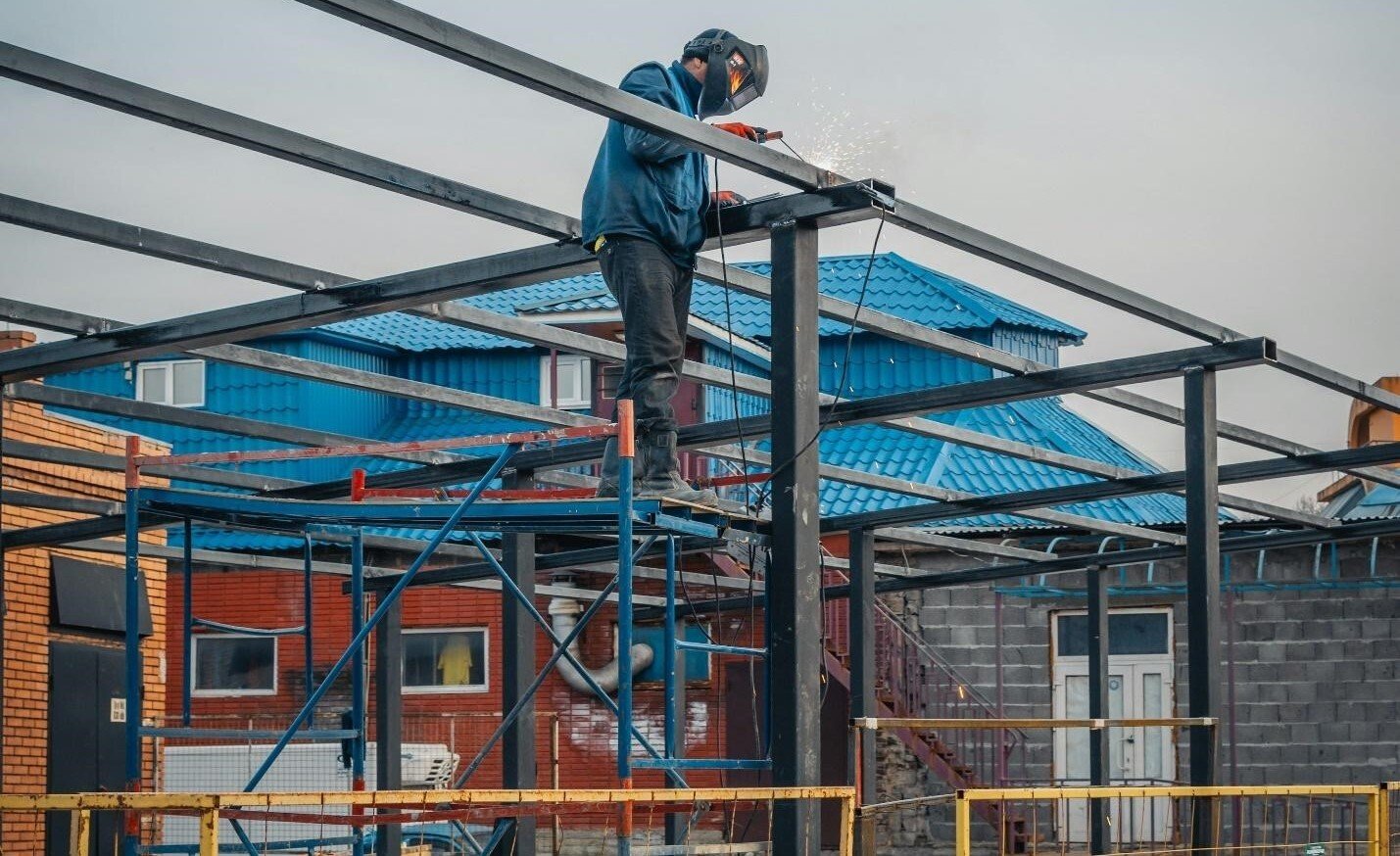

According to OSHA, falls from heights account for more than 30% (100 per year) of construction-related fatalities. This highlights the critical need for robust rooftop support structures. These systems ensure safety and functionality on commercial and industrial rooftops. However, they come with their own set of challenges and benefits as well.
Art Valentz
Recent Posts
How Support Structures Keep Our Commercial & Industrial Sectors Safer
Topics: Roof Safety, Commercial Roof Issues
At a glance, rooftop support systems seem fairly straightforward and easy to install. However, there are a number of things that can go wrong during and after installation, especially under seismic or weather stresses. It is important to prioritize quality and functionality to ensure that the system remains cost-effective.
Transforming Rooftops into Functional Spaces with Innovative Support Solutions
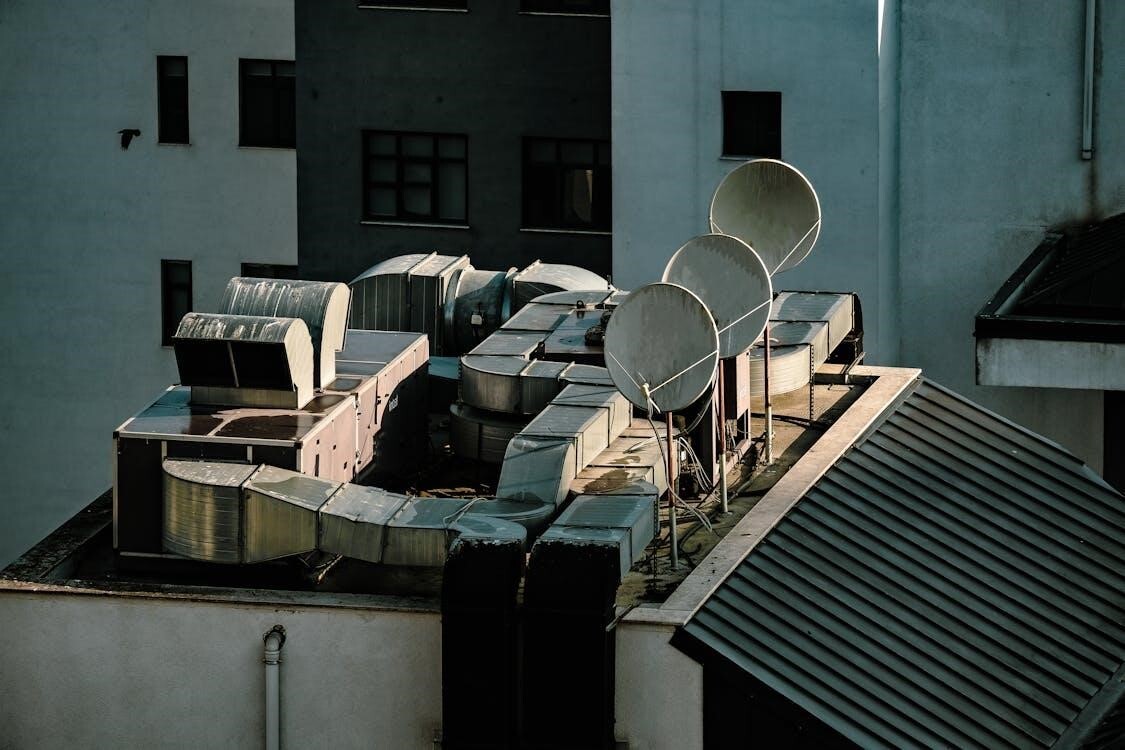
Did you know that utilizing rooftop spaces can increase a building’s usable area by up to 25%? Many use it for a rooftop garden, a pool, or simply as a party venue. Commercial rooftops, on the other hand, can serve another very crucial purpose; to safely house large equipment and outdoor units, keeping it safe from public misuse or tampering.
How Can Advanced Support Structures Pave the Way for Greener Buildings?
Advanced rooftop support structures play a crucial role in paving the way for greener buildings by enhancing energy efficiency, supporting renewable energy systems, and promoting sustainable construction practices. These structures ensure that rooftop equipment is securely anchored, optimally positioned, and easily accessible, which contributes significantly to the overall sustainability of commercial and industrial buildings.
Topics: Rooftop Support Engineering
The Role of Roof Equipment Supports in Achieving Energy Efficiency
According to the U.S. Department of Energy, commercial buildings account for nearly 20% of the total energy consumption in the United States, with heating, ventilation, and air conditioning (HVAC) systems being significant contributors.
Topics: Rooftop Equipment
7 Essential Components for a Reliable Roof Equipment Platform System
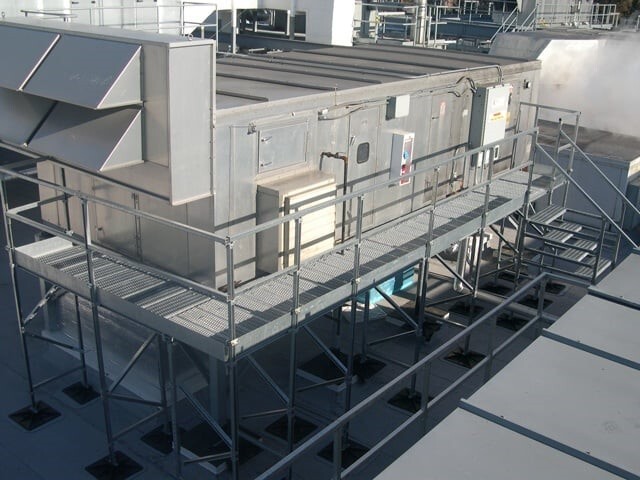
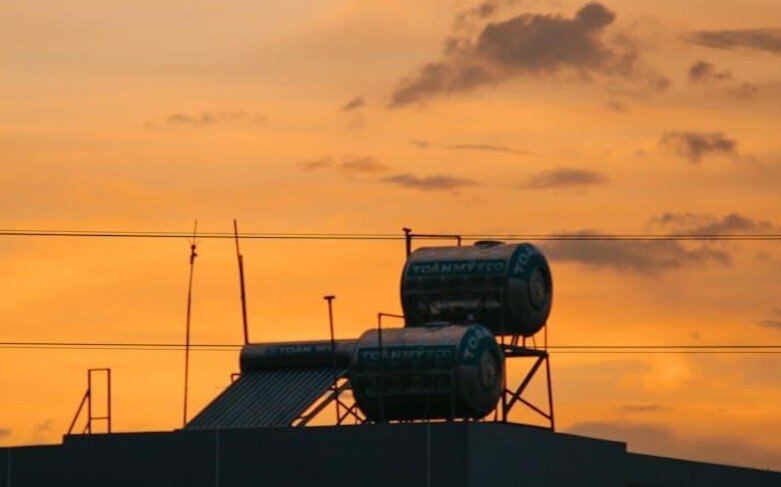
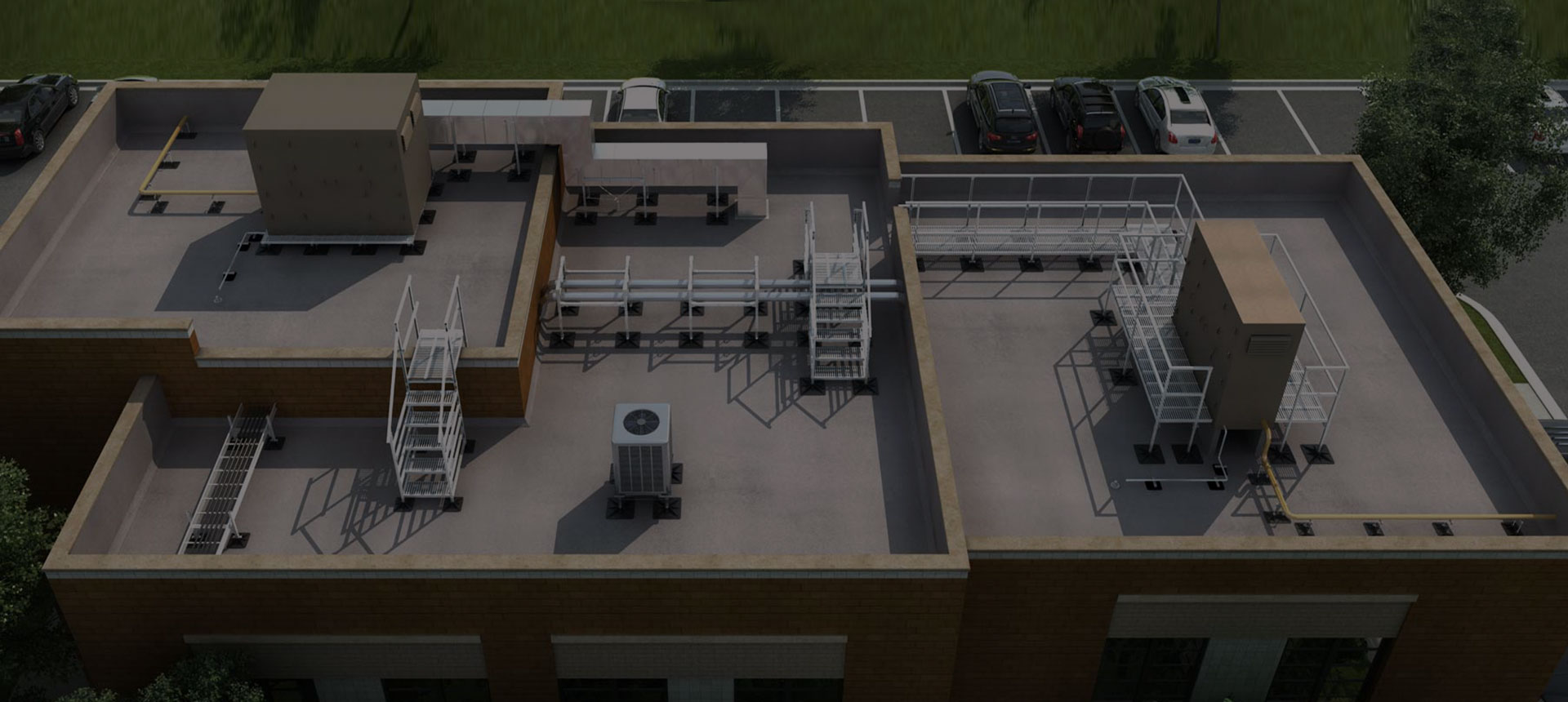
A reliable roof equipment platform system is key for ensuring the safety and functionality of the rooftop. This safety isn’t just limited to HVAC units, generators, and solar panels, but also for employees working on the rooftop. The idea behind roof equipment platform systems is to provide a stable base for heavy equipment, protect the roof surface, and ensure that maintenance can be carried out safely.
According to a recent study, over 70% of construction delays are attributed to inadequate planning and poor execution of any aspect of the project. For rooftop projects, this mostly happens due to lack of support structures for equipment and piping systems. This shows just how important a well-designed and properly installed equipment support system can really be.
Topics: Rooftop Equipment
How Do Roof Support Systems Impact Building Safety and Compliance Regulations?
Roof support systems significantly enhance building safety and compliance by ensuring the secure installation of rooftop equipment and adherence to regulatory standards. These systems protect rooftop membranes from damage, distribute loads evenly, and prevent equipment from becoming dislodged during severe weather. Compliance with regulations such as OSHA, IBC, and NFPA is critical for legal adherence and operational safety.
Topics: Rooftop Support Engineering, Roof Safety
According to a report by the U.S. Green Building Council, green buildings incorporating aesthetic and functional design elements, including rooftop structures, see a 7% increase in property value. Apart from the value they add, they also lead to reduced running expenses, such as lower heating/cooling and other utility bills.
Topics: Rooftop Equipment
7 Advantages of Modular Support Systems for Quick Construction Projects
Modular support systems are pre-engineered, prefabricated solutions designed to support various construction elements, such as pipes, ductwork, and equipment. These systems are assembled off-site and delivered to the construction site ready for installation.
Topics: Construction