

 We all know the importance of “preventive medicine” – those dreaded annual checkups and biannual dentist visits – but many of us don’t take any action until there’s a problem. It’s a gamble: Sometimes we win, saving time and money while escaping negative consequences. Other times, though, what would have been a small problem takes advantage of that time to develop into a big problem, costing much more in both time and money than if it had been nipped in the proverbial bud.

If you’ve decided that you need a roof replacement, you’re almost certainly seeing dollar signs. Once you request bids from roofing contractors, they’re seeing dollar signs, too, and they’ll use every tool they have to get you to sign on the dotted line. When it comes to roof management, a warranty is an effective marketing tool, and suppliers will talk about it with great pride during your negotiations.
Topics: Roofing Management

It goes without saying that working in commercial roofing is a risky occupation, but do you really know how risky? The actual numbers may surprise you. Of the top 10 riskiest jobs, roofing comes in at number six. Workers in the roofing industry are three times more likely to have a fatal injury than workers in other industries, and about 50 roofers are killed on the job each year.
Topics: Roof Safety

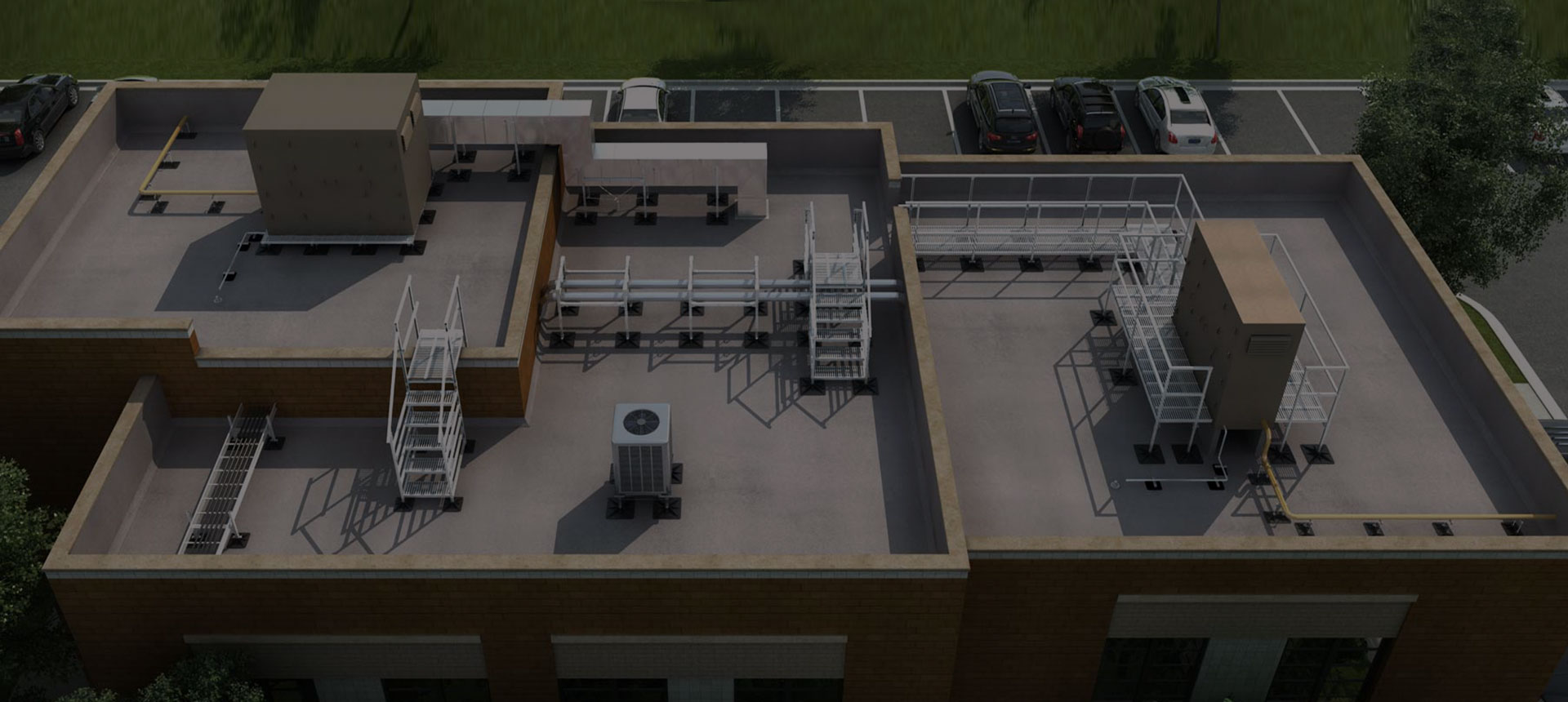
Rooftop pipe supports don’t get the respect they deserve. They might look like they don’t do much, but if the pipes or ductwork they support fall and land on your roof, the damage could be catastrophic. It could even shut down your business! So, when you buy rooftop supports, it’s important to know that the ones you choose can do the job. The safest way to do that is to go with pre-engineered supports.

In today’s complex business world, it’s impossible for anyone to know everything. Business owners are no exception. They’re experts on the products or services they offer, and how to keep their businesses running efficiently and profitably, but most aren’t experts in roof management. Unfortunately, there are a lot of unscrupulous companies that take advantage of that lack of expertise, especially when it comes to commercial roofs.
Topics: Roofing Management

If you look at photographs taken during the construction of the Empire State Building, it’s obvious that worker safety has come a long way since the 1930s. Back then, it was commonplace for workers to dangle off the side of tall buildings without harnesses, and there were few, if any, hardhats to be seen on construction sites.
Topics: Roofing Management, Roof Safety

Climate change has become a hot topic over the last few years – it seems to always be in the news – and we’ve heard a lot about how rising temperatures will affect our world. But we’re just now beginning to understand the specific implications for different industries. The roof construction industry, in particular, has some work to do to accommodate a warming planet. That work falls into two categories: risk mitigation and environmental impact.
Topics: Rooftop Support Engineering, Roofing Management, Roof Architecture
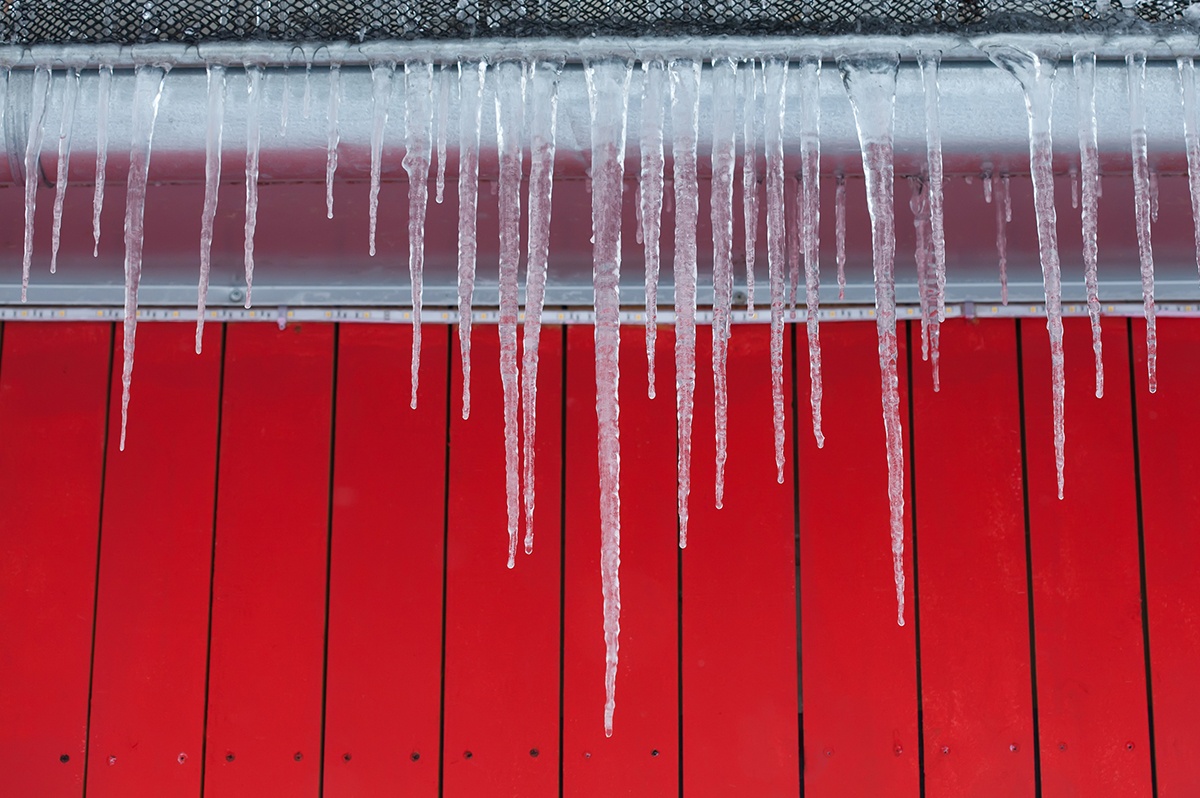
Most stores put their Halloween decorations out weeks ago, and some have even stocked their Christmas aisles. While that may be a little early for some shoppers, it’s a clear sign that like it or not, winter is on its way. And if you work in facilities management that means you’ve got some roofing maintenance to do.
Topics: Roofing Management, Roofing Maintenance

Most professions involve some sort of lifelong learning, but for many fields, continued education can be mandatory. Architecture is one such profession. Architects have to periodically renew their licenses – typically every one to two years – and most states have established Continuing Education requirements as a condition of renewal. In addition, the AIA requires Continuing Education for its members regardless of state requirements.
Topics: Roof Architecture
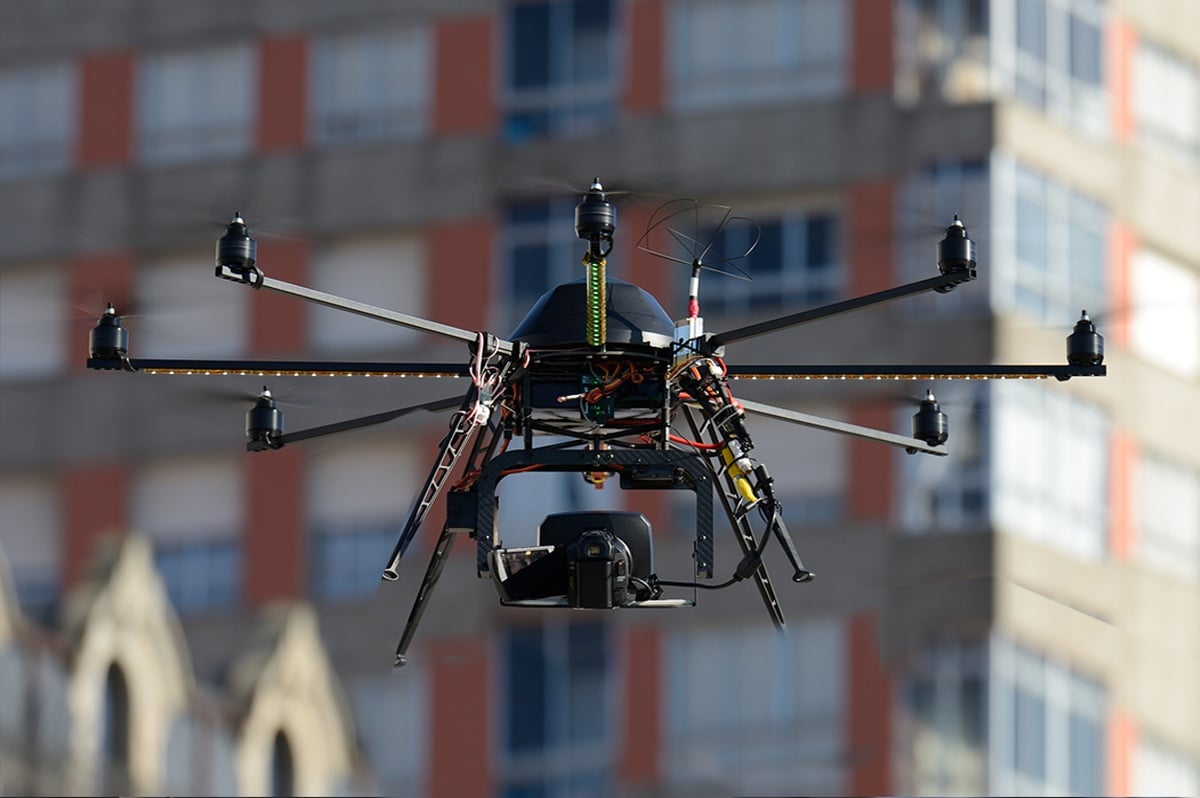
Sometimes, it seems as if the roofing construction industry is always lagging behind when it comes to adopting new technologies, but don’t tell that to the businesses that are using drones for everything from inspections to job progress documentation to marketing. Here are just a few of the ways drones are catapulting both the roofing construction industry and facility management to the forefront of cutting-edge technology.
Topics: Roofing Management, Roofing Maintenance