The hospitality and entertainment industries are highly competitive. Everybody wants to have an edge by offering guests something their competitors don’t have – and to keep costs in check while doing it. That reality has led to businesses throughout the hospitality and entertainment industries enticing guests with creative uses for capital assets they already have while using the latest construction trends on the rooftop. Here are some of the best ideas we’ve seen in “roof-tainment:”
Read More
Topics:
Roofing Management
Properly installed and maintained rooftop equipment can be a great way to optimize otherwise unusable space – but the “properly installed and maintained” part is critical. Every component – the equipment, the roof supports, and the bases – has to work together the way it’s supposed to. Here’s what you need to know to make your roof supports an asset rather than a liability.
Read More
Topics:
Installation Tips,
Rooftop Support Engineering
If you’re a business owner or in charge of your facility’s roof management, the last thing you want is a phone call delivering the news that your roof has collapsed. After all, a roof collapse is no small problem. First, there’s the risk of injury to employees and/or customers. And then there’s the likelihood of a total operational shutdown. Even if the building is still usable, OSHA authorities won’t let you reoccupy the building until they’re finished with their investigation, and there’s no telling how long that could take.
Read More
Topics:
Roofing Management,
Roofing Maintenance
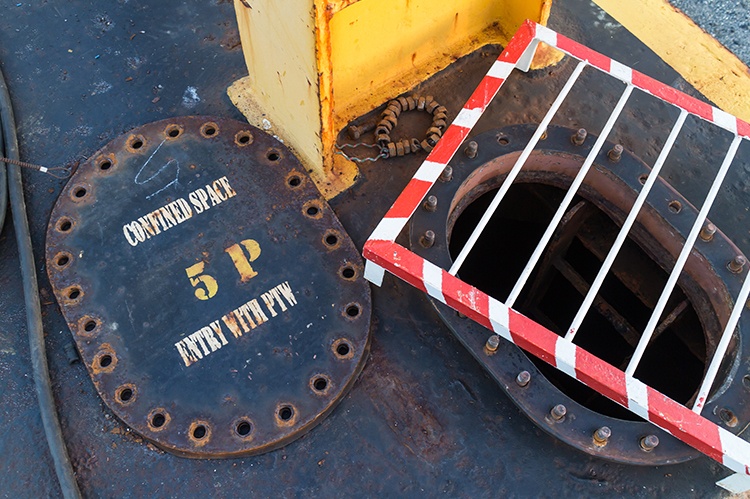
OSHA has long regulated work done in confined spaces in the interest of minimizing risks to workers. On August 3, 2015, however, new OSHA regulations went into affect that will significantly impact the construction industry. Are you ready for the changes to come?
Read More
Topics:
Roofing Maintenance,
Roof Safety
Commercial roofing can be a very fulfilling and profitable business. If you’re thinking of reaching for that gold ring by launching your own business as a roofing contractor, there are a few things you need to know about. Here are some of the most important roof management tips you should live by as a new contractor:
Read More
Topics:
Roofing Management
Inferior rooftop supports can dump even the most expensive, top-of-the-line equipment right onto your roof, but the opposite isn’t necessarily true. There are certain kinds of equipment that don’t belong on your roof no matter how good your rooftop supports are. Here’s a quick list of equipment that shouldn’t be on your roof and an explanation of why each is a bad idea:
Read More
Topics:
Installation Tips,
Roofing Management
You’ve convinced your employer to invest in a green roof, but the budget is far less than what you had anticipated. Should you scrap the project altogether? Or should you make your priorities within the budget you were given? The correct answer is definitely the latter. Here’s how you can make that happen:
Read More
Topics:
Roofing Management
It’s trite but true: Accidents happen. Sometimes, no matter how many precautions you take or how well you train your employees on rooftop safety, something goes wrong. Unfortunately, the nature of working on a roof means that many of the resulting injuries are often very serious. A broken water pipe could cause a slip; an electrical short could cause a shock or a burn. And then there’s the dreaded fall, which can be especially scary when it happens from a high distance.
Read More
Topics:
Roofing Management,
Roof Safety
If you’re in this business long enough, you’re going to see any number of seemingly minor mistakes result in disastrous consequences. Businesses are under constant pressure to control costs, so it’s easy to understand why a building owner or facilities manager might try to save a few dollars. But, all too often, cutting those corners winds up costing far more than it would have to do the job right in the first place.
Read More
Topics:
Rooftop Support Engineering,
Roofing Management
The time is finally here: roof replacement time. Whether it’s because of postponed maintenance, storm damage or just the natural end of your roof, it’s something all building owners and facilities managers have to deal with eventually. One of the first questions almost everyone asks is, “how much will it cost?” That’s not an easy answer because there are so many different factors involved. Here are some of the most important ones:
Read More
Topics:
Roofing Management,
Roofing Maintenance