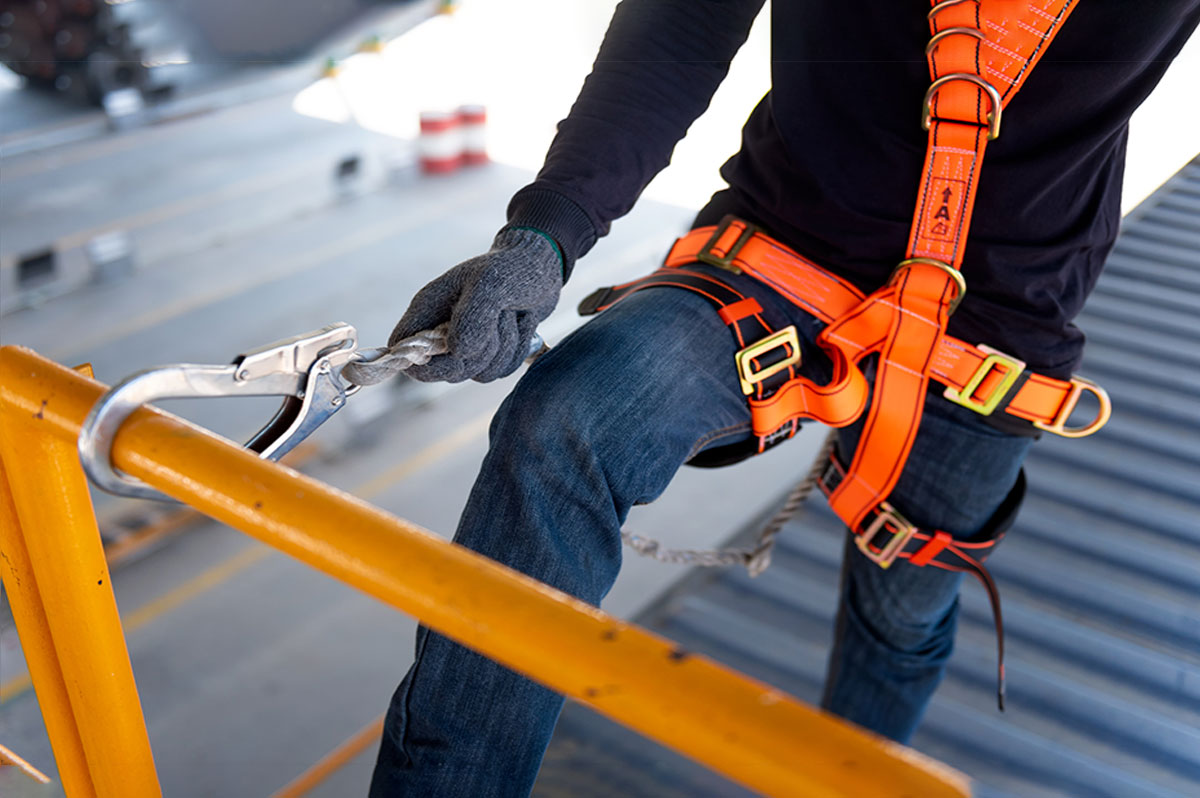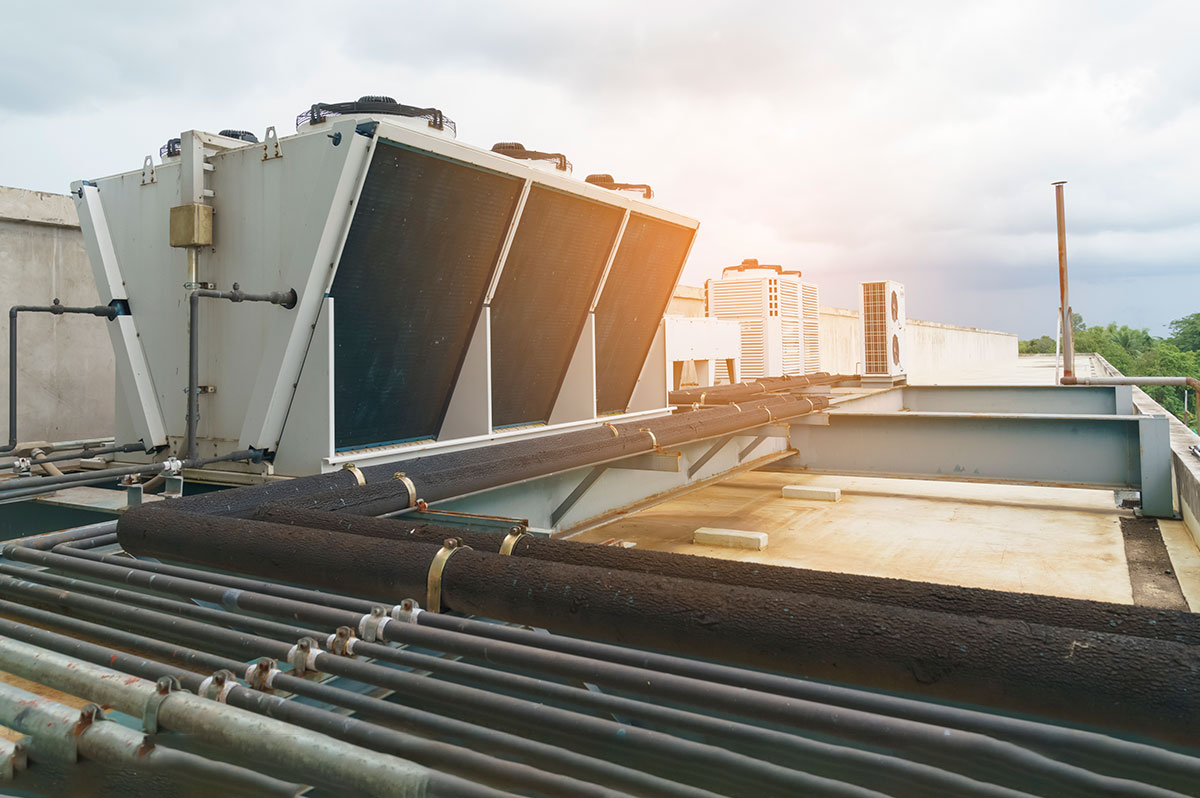

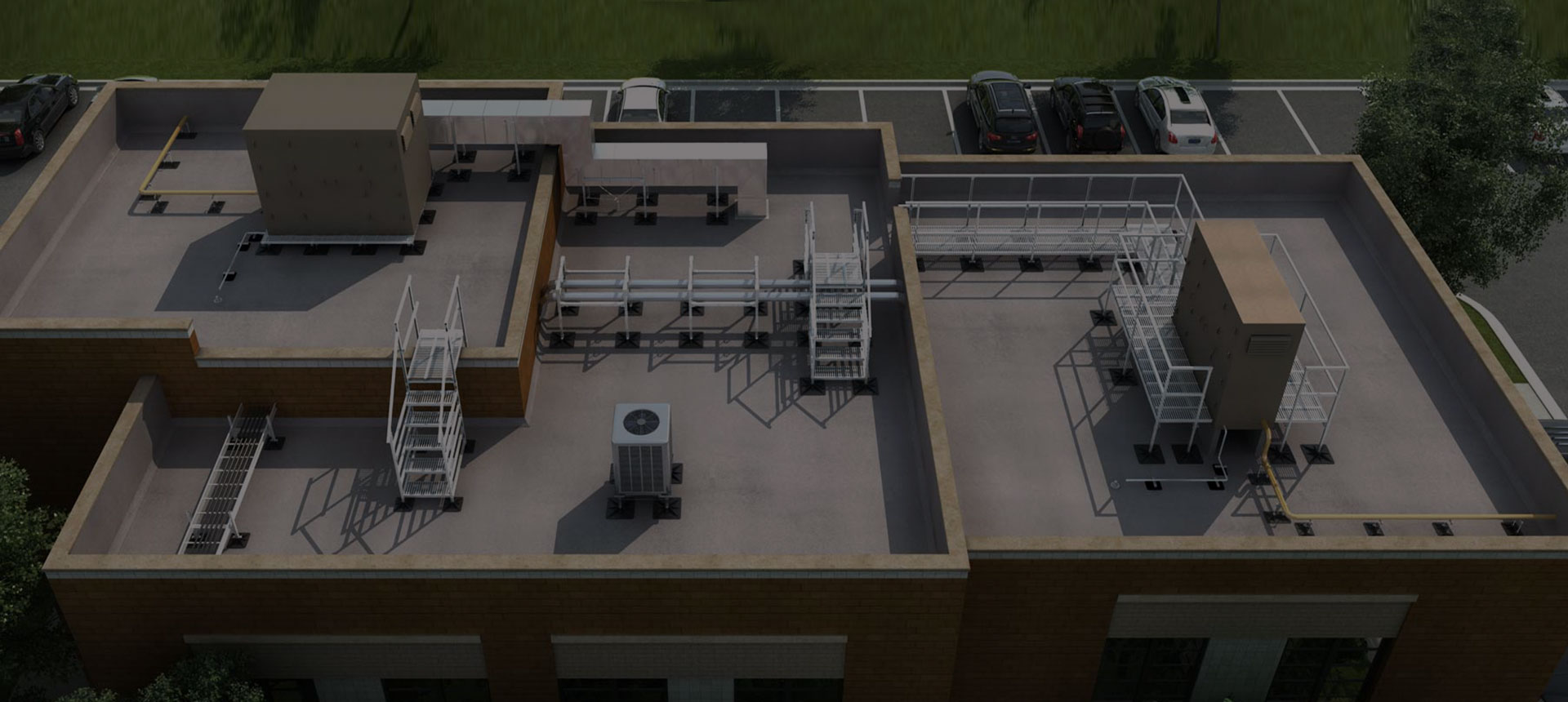

Your rooftop is crowded. As far as your rooftop is concerned, your workforce may need to navigate next to steep drop-offs, over ledges, around cable runs, and past skylights. Putting a foot in the wrong place can have negative consequences, if you’re not careful.
Creating Climate-Resilient Roofing Designs for Commercial Buildings
The climate is indisputably changing. We notice it in things like hotter summers, more intense storms, and longer hurricane seasons. What we notice, your roof notices too. Depending on the location of your building, you’ll find that extreme weather will impact the design of your roof – and what’s more, extreme weather is likely to keep on getting more extreme. This means that in order to maximize the lifespan of your roof, you don’t just need to build: you need to overbuild, anticipating the ways in which climate will change in order to meet a moving target. How do you create resilient roofing in the wake of a changing climate?
Topics: Roof Architecture, How to
Most of the time, we recommend that you keep foot traffic on your roof to a minimum. Unfortunately, those in certain commercial and industrial verticals may have to accommodate foot traffic that goes beyond the ordinary cycle of maintenance. When this happens, investing in a form of roof protection can go a long way. Consider these possible scenarios:
Topics: Roofing Management
Why Preventive Maintenance & Inspections Are Crucial for Commercial Roofs
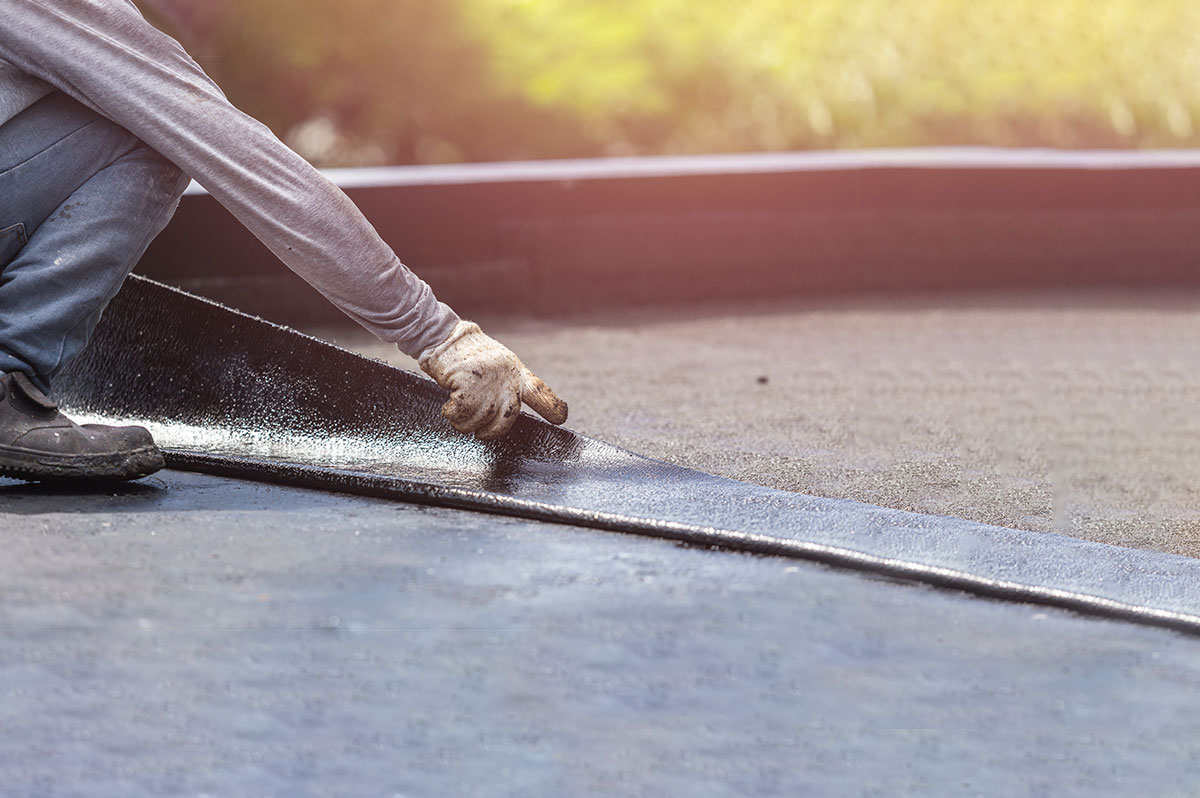
Between extreme weather, installation errors, and ordinary wear and tear, roofs can go through a lot.
Topics: Roofing Maintenance
If you’re not paying attention to the way people access your roof, you might find that problems with your rooftop safety culture can develop quickly. Left unchecked, people could start to use your roof as an informal meeting site or a place to take lunch breaks or cigarette breaks. Unbeknownst to the people casually using your roof, however, these individuals are putting both the roof and themselves in danger.
Topics: Roofing Management
Resilient and Reliable: Creating Sustainable, High-Performing Roofs
Creating sustainable roofing has always been a great way to prove your merits as an eco-conscious organization, but there’s far more to it than that. With traditional asphalt roofs lasting a mere 20 years or so, eco-friendly roofs are about more than just doing your part for the environment—they’ll save you money in the long run as well. From green roofs to solar panels, here’s how sustainability makes a great investment for your next commercial roof.
Topics: Roof Architecture
How old is your roof right now? Given that a commercial roof may have anywhere from a 20-year lifespan to a 50-year lifespan, it’s likely that you didn’t inherit your commercial roof when it was new. What’s more, no matter how badly your roof was treated before you started working, the success of your job depends on making your newly inherited roof last as long as possible.
Topics: Roofing Maintenance
Commercial solar panels are becoming an increasingly important part of the building landscape. With their wide flat roofs, commercial buildings are perfect for solar installations, which can bring many benefits to a building:
Hospital Operational Excellence Depends on Rooftop Supports
Critical infrastructure must always be protected – and hospitals are critical infrastructure. Hospitals don’t have downtime – they can’t have downtime – because they literally represent life support systems for the people inside them. Any loss of power or operations can put peoples’ lives at risk.
Why Hot-Dip Galvanized Steel Makes Superior Rooftop Support Systems
Rooftop supports are extremely important when it comes to extending the lifespan of your commercial roof – as well as increasing the safety of contractors and maintenance crews who work on your elevated surfaces. With that said, not all rooftop support systems are created equal.