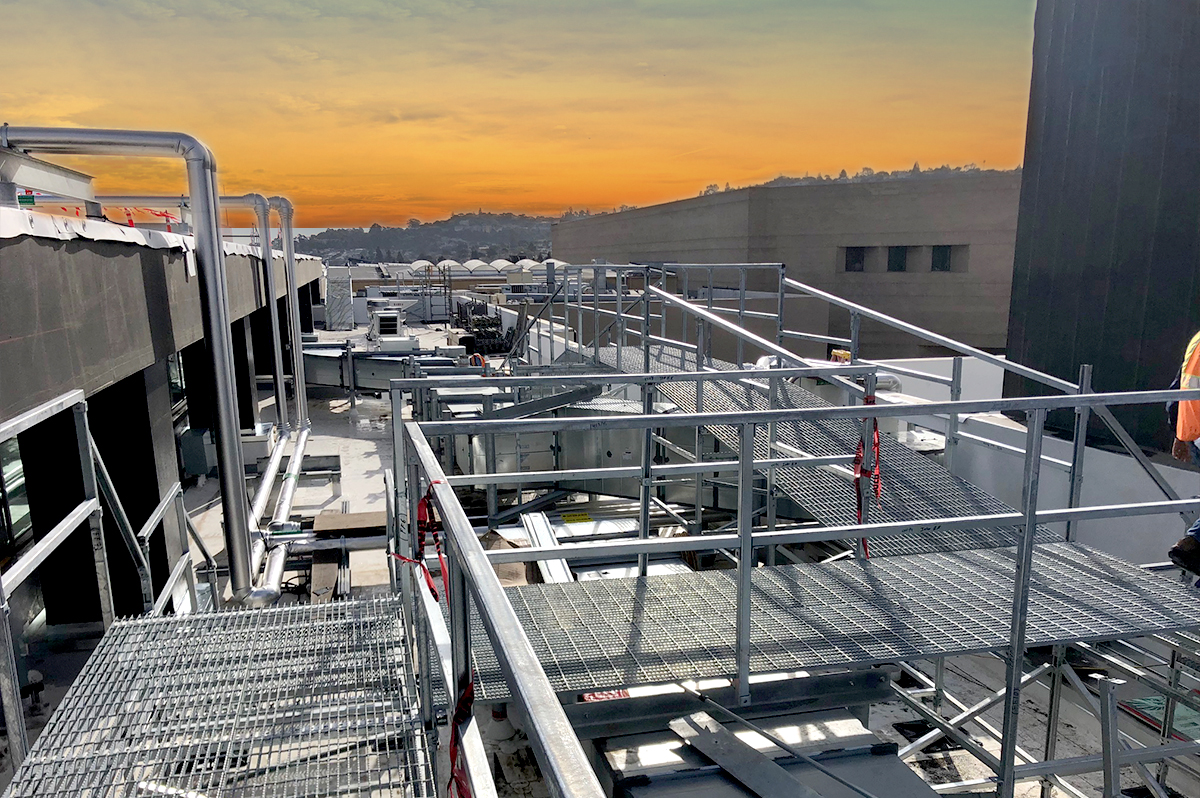

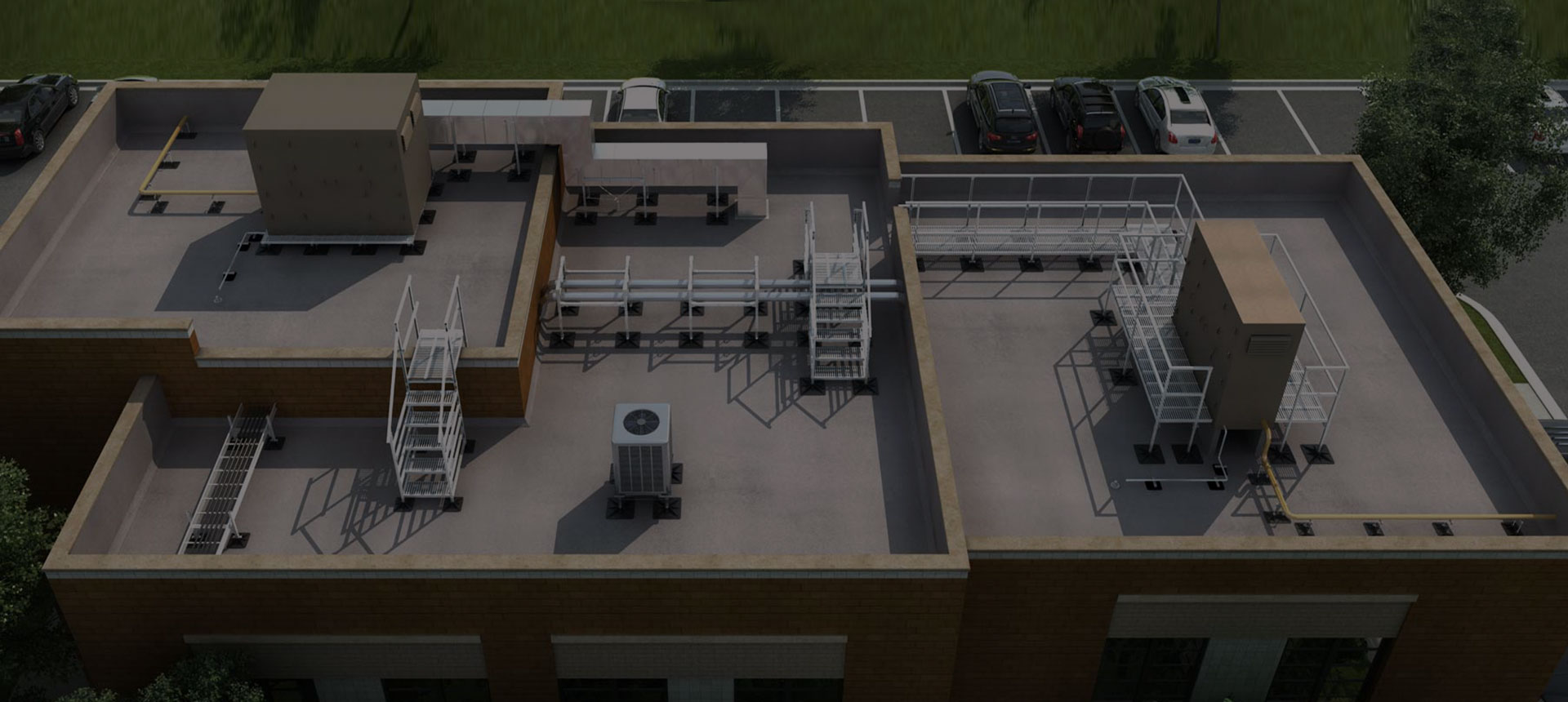

While storing equipment on the rooftop is a simple way to save interior space, many facility managers fail to effectively plan the layout and functionality, leading to issues down the road. Your responsibility is to make informed design choices about the layout of roof equipment. Planning at the outset helps you create a layout that is more functional, aesthetically pleasing, and cost-efficient. Utilizing rooftop access systems will help you create a design that makes sense.
The Cost of Doing Nothing: Why Rooftop Equipment Needs Planning
Topics: Installation Tips, Roof Architecture
When the concept of value engineering first appeared in the 1940s, the aim was to promote value through careful analyzation of products and components. This is accomplished by improving performance either with a cost increase or by reducing cost without sacrificing performance. Over time, it was determined that value can only be created if functionality and durability are a top priority.
Topics: Roofing Management, How to
When it comes to commercial and industrial facilities, building owners often choose to install equipment on the roof. This frees up interior space to be used for more productive means. However, rooftop equipment does carry risks and safety issues, as well as access and mobility threats. These challenges and threats can be eliminated using rooftop equipment supports and access methods allowing for safety and proper management of all rooftop areas and equipment.
Topics: Roofing Management, How to
Flat commercial roofs don’t have the ability to naturally drain rain, snow, and precipitation the way that sloped roofs do. Therefore, having a durable roof membrane is essential in protecting the building from leaks and other damage that can occur. Protecting this roof membrane should be a priority to ensure the continued longevity of your building’s comfort as well as its materials. How can facility managers protect the most important part of their roofs?
Topics: Roofing Maintenance
Investing in a rooftop support system can greatly improve the functionality and accessibility of your commercial rooftop. However, not all rooftop support systems are created equal. The ideal system will be able to support a resilient roof system, one that is built to be wind- and impact-resistant and protect against extreme weather events, environmental contamination, and man-made wear and tear. To ensure long-term success, all components of a rooftop must be built to endure, including rooftop support systems.
Topics: Roofing Management
Rooftop safety should always be an important consideration for any commercial building owner or manager. Safety measures are equally crucial for the protection of the roof and the people who access it. Not all rooftop safety plans are created equal, however. For maximum effectiveness, go the extra mile with your rooftop safety plan to ensure your efforts are met with success.
Topics: Roof Safety
Where Roofing is Concerned, Sustainability Starts at The Top
Commercial buildings are getting larger. Of the 55 percent of buildings built between 1960 and 1999, the average size is 16,300 square feet. Meanwhile, the buildings built since 1999 have an average size of 19,000 square feet – an increase of almost 3,000 square feet. What does this have to do with sustainable roofing?
Topics: Roofing Maintenance
Most roofs don’t last beyond their designed lifetime – but they absolutely can and should. Each year that you keep your rooftop operational is another year that you’ve amortized the cost of its original construction. In other words, there’s a financial incentive for you to stall your next roof replacement for as long as possible.
Topics: Roofing Maintenance
Your rooftop is crowded. As far as your rooftop is concerned, your workforce may need to navigate next to steep drop-offs, over ledges, around cable runs, and past skylights. Putting a foot in the wrong place can have negative consequences, if you’re not careful.
Topics: Roof Safety
Creating Climate-Resilient Roofing Designs for Commercial Buildings
The climate is indisputably changing. We notice it in things like hotter summers, more intense storms, and longer hurricane seasons. What we notice, your roof notices too. Depending on the location of your building, you’ll find that extreme weather will impact the design of your roof – and what’s more, extreme weather is likely to keep on getting more extreme. This means that in order to maximize the lifespan of your roof, you don’t just need to build: you need to overbuild, anticipating the ways in which climate will change in order to meet a moving target. How do you create resilient roofing in the wake of a changing climate?
Topics: Roof Architecture, How to