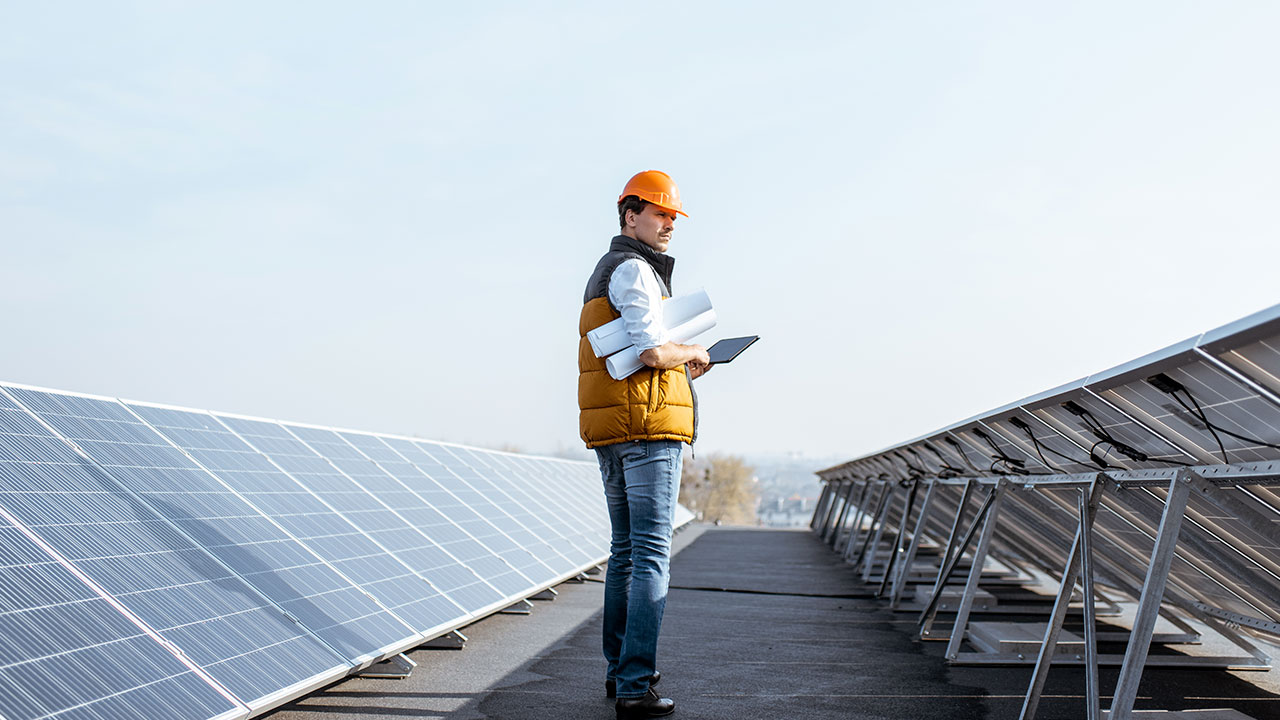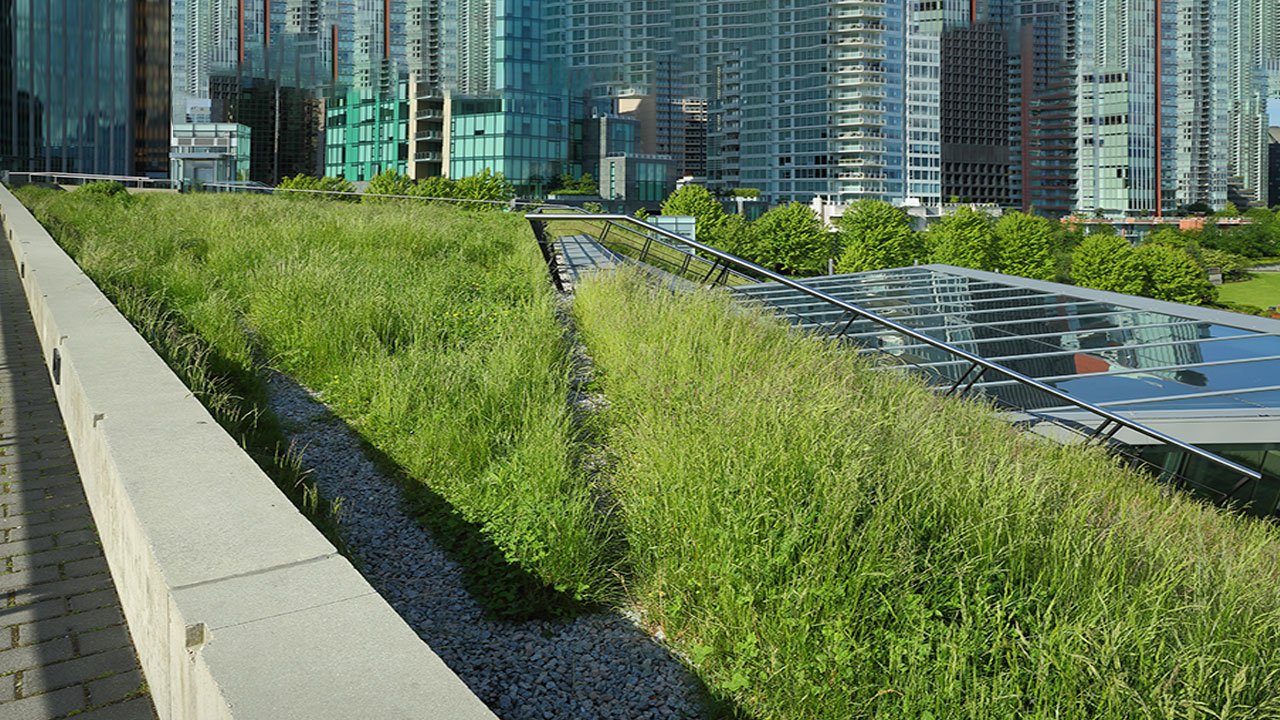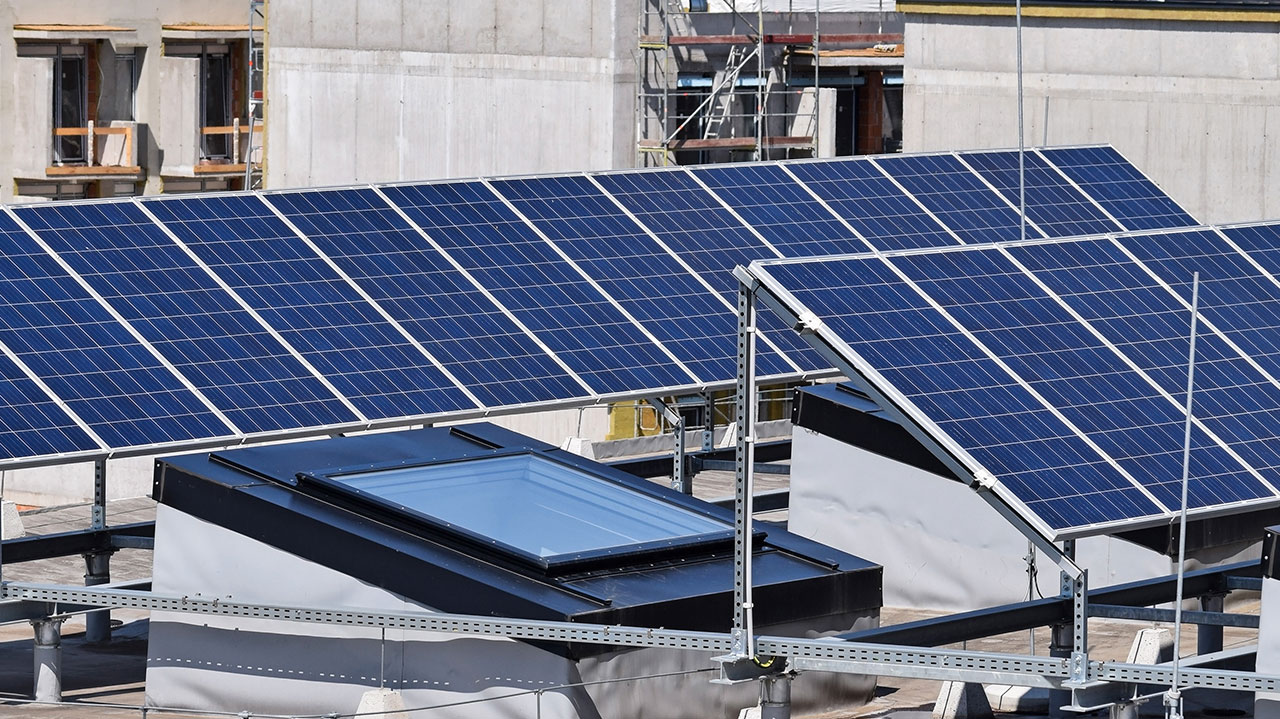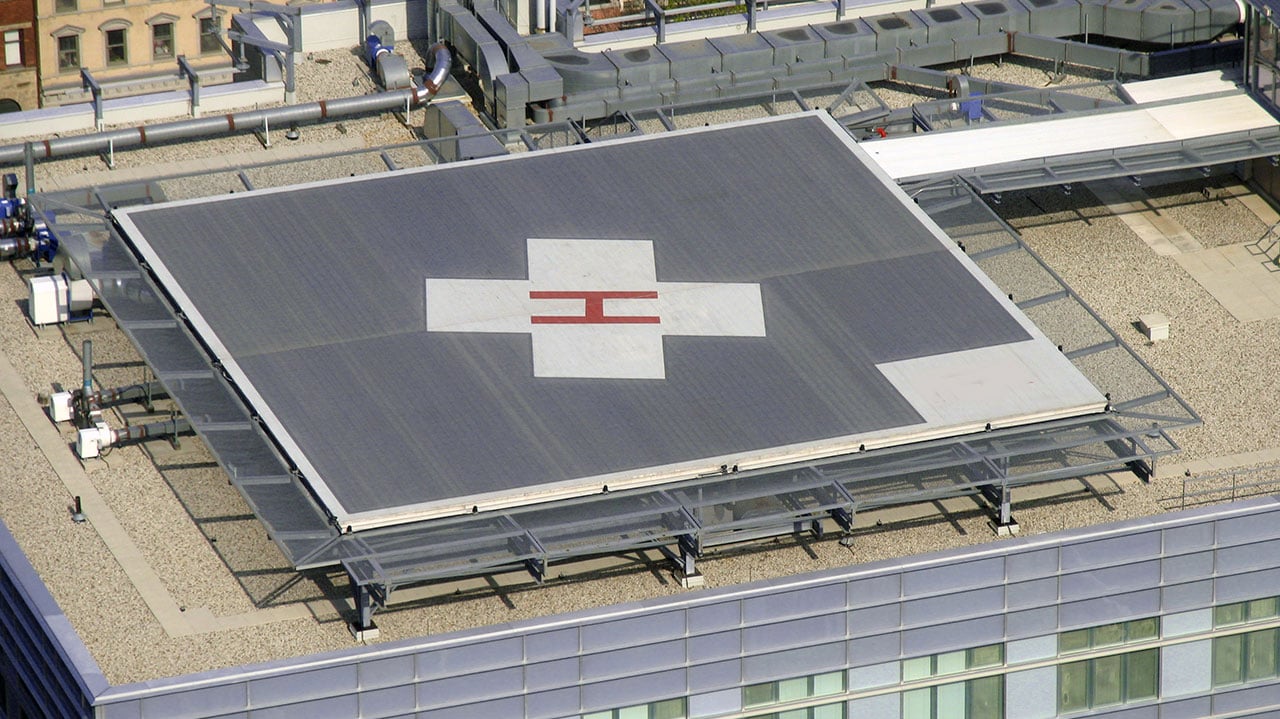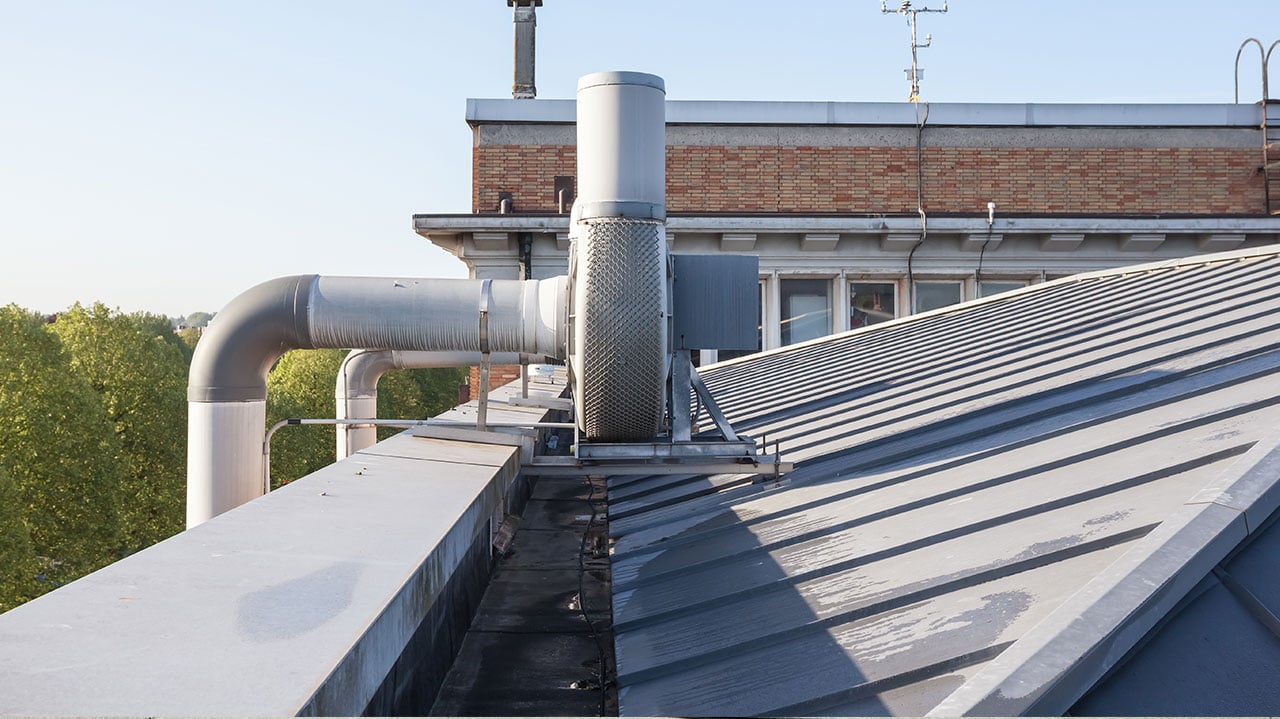

Not all roofs are created the same – or even with the same pitch. When we talk about commercial roof slope, we usually talk about a completely flat roof. With that said, not every commercial roof is flat. Sloped commercial roofs are common in several parts of the country, either for decorative or weather-related reasons.
This year, as in years past, retail sales are expected to be literally through the roof. Not only do retail sales tend to spike between October 31st and December 25th, this year’s spike is expected to be up to 5 percent larger than in 2018. All told, consumers are projected to spend up to $1.1 trillion during this year’s holiday season.
Winter is approaching across the Northern Hemisphere, which means it’s time to prepare for thermal expansion—and its more dangerous cousin, thermal shock.
Topics: Roofing Maintenance
It’s All About Performance: Efficiency in Commercial Roofing
If treated correctly, your roof could last anywhere from twenty to fifty years. Simply lasting is not a measure of roofing success, however—instead, you’ll want to look at lifetime costs. Picking the right commercial roofing materials up front, treating them properly, and investing in the correct infrastructure and maintenance programs will make your roof more efficient and more likely to last its full lifetime without incurring significant costs.
Topics: Roofing Management, Roofing Maintenance
Very few people should ever get to see what it looks like on top of a commercial roof. Rooftops are unequivocally dangerous, with falls from rooftops representing over 33% of deaths in the construction industry. By this metric, building owners need to make it relatively difficult for anyone to get on top of a commercial roof, with barriers in the form of locks, special training, permission slips, and time sheets. In short, no one should be able to access your roof without learning about its safety features, getting a key from a designated individual, and logging their time.
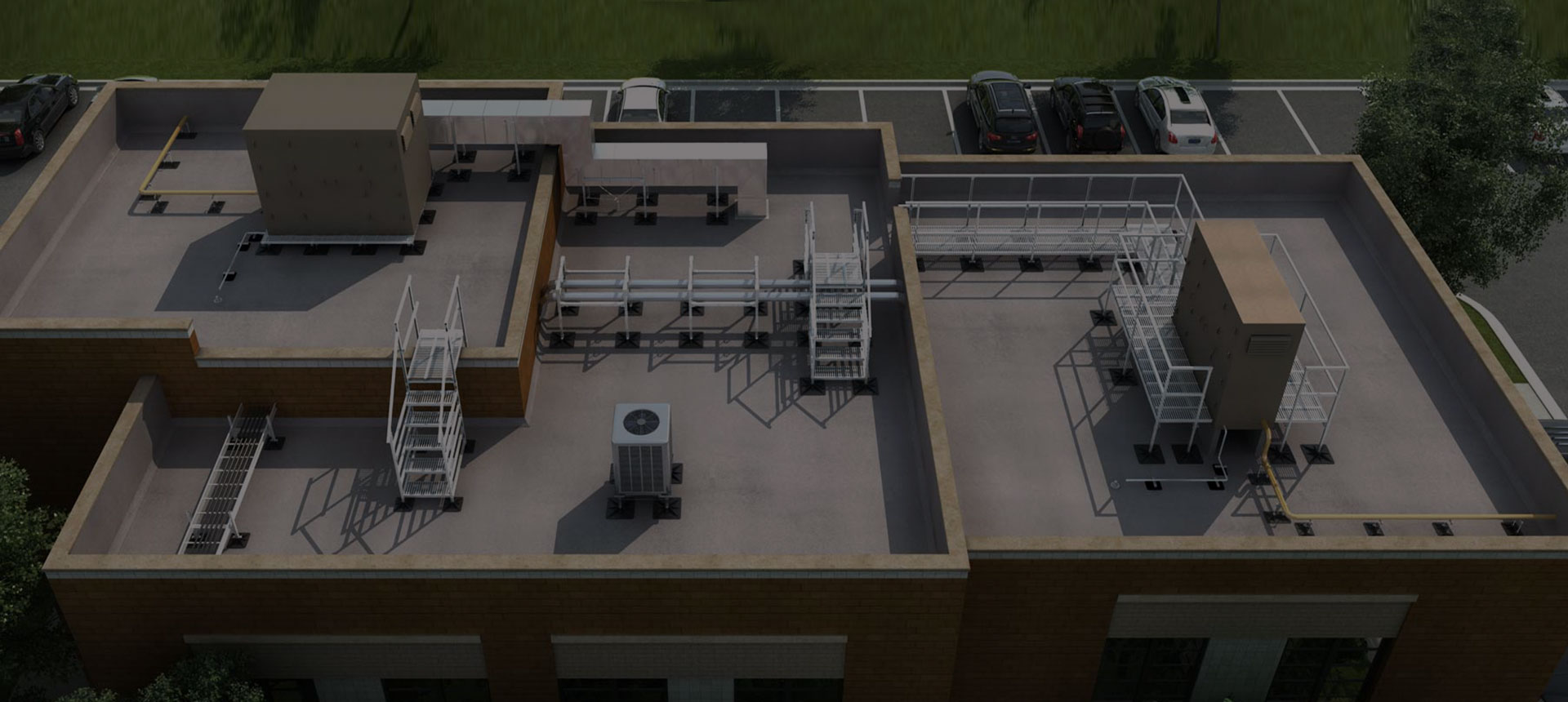
There’s a different side to the coin, however. Once your workers have passed the hurdles you put up to prevent them from freely accessing the roof, they should be able to get around easily and safely. This means the addition of handrails to roof edges and elevated spaces, crossover ramps to traverse elevation changes and cable runs, and access platforms next to maintenance equipment. This allows workers to get to rooftop job sites and perform mission-critical job functions in comfort and safety.
Topics: Roof Safety
What’s the difference between a good rooftop design and a bad rooftop design?
Functionally speaking, a “bad” rooftop design will express itself through the results. You’ll find that a bad rooftop design requires extensive maintenance more often. A bad rooftop design will have poor fit and finish—there will be gaps between flashings and penetrations, and the edges may be composed entirely of roofing tar. You’ll begin to find leaks within months of the roof’s completion.
A bad roofing design will have poor conformity to building regulations. It may not be able to resist uplift forces. It will leak energy due to poor insulation, and you will be forced to spend more money to heat and cool the building. Between constant repairs and increased energy costs, you’ll spend more money maintaining the roof than you did on its initial construction.
Here’s the thing—there are all outcomes of poorly-optimized rooftop design. How do you catch these design flaws before they’re embodied in plywood and membrane—and before they start costing you money?
Topics: Roof Architecture
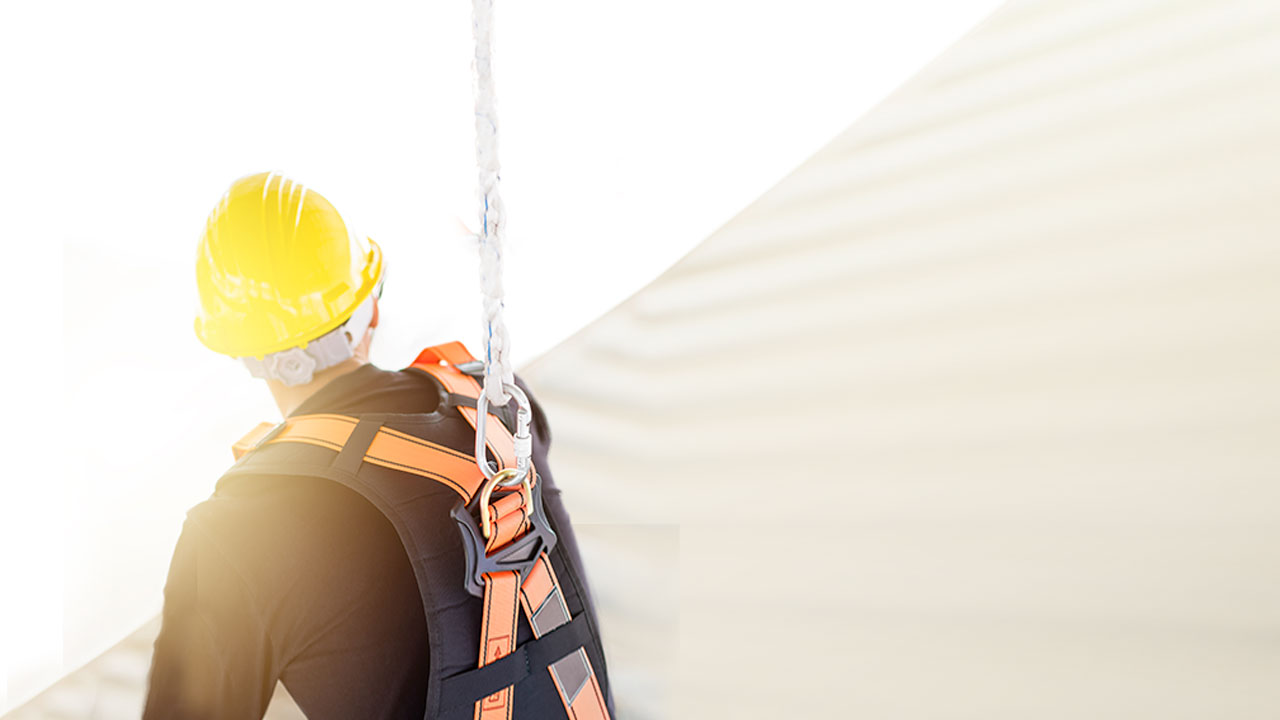
When someone falls, someone gets hurt—and the risk is doubled if you’re on top of a roof. Even if you fall on a roof (as opposed to falling from the roof to ground level or a lower-level roof structure), you can still be in considerable danger. That’s because a roof may contain hazards that you wouldn’t want to impact with your body, such as pipe supports, live electrical equipment, or rusted metal. There’s even a danger of falling through a roof if you happen to be standing near a weakened area or a skylight. In other words, rooftop fall protection is more important than most may think.
With so many hazards in play, it’s no wonder that roofing accidents make up over one-third of all fatalities in the construction industry. Since you believe in worker safety—plus avoiding fines and bad publicity—it’s likely that you are interested in the guidelines and techniques that make up rooftop fall protection and prevention. Here are the top four ways to get started:
Topics: Roof Safety
Back in 2017, OSHA released new guidelines designed to improve safety for 112 million American workers—with a special emphasis for those who work on rooftops. Where OSHA did not previously specify safety mechanisms for workers near unprotected rooftop edges, the organization now mandates rooftop guardrail systems for those within six feet of a drop. These rules were mandated to come into effect in January 2018. If you haven’t already begun complying, now is the time.
Topics: Roofing Management, Roof Safety
How to Maximize the Lifespan of Your Roof and Pipe Support Systems
Commercial roofs have varying lifespans. TPO roofs have the shortest life, with a maximum of 20–30 years. Meanwhile, asphalt roofs can last up to 40 years, and metal roofs can last up to 45. These are simply the documented life spans as they exist on paper, however. Under real-world conditions, most commercial roofs never last as long as their projected life.
Replacing a roof is expensive in terms of materials, cost of labor, and lost productivity. There’s also a loss of investment to think about. If you invest in a commercial roof with a lifespan of 40 years and it only lasts for three decades, then your roof is suddenly amortized over a much shorter amount of time. In other words, if you can extend the lifespan of your commercial roof, then your initial investment becomes much more bearable over time.
Lastly, there’s not just the roof itself to consider. The pipe supports on your roof hold gas pipes, refrigerants, electrical and internet cables, HVAC, and more. If and when these supports break down, the equipment upon them could break, exposing your roof to a variety of hazards that range from chemical spills to fires—all of which would cause the roof to fail to meet its expected lifespan without the help of an experienced commercial roofing company.
Topics: Roofing Management, Roofing Maintenance
Your roof is a large flat surface that’s exposed directly to sunlight and the elements. In other words, there’s a high possibility for damage when you’ve installed support systems with a high potential to penetrate your roof. The common roof problems presented below depict massive costs when it comes to facility management. Here’s how to keep them in check with noninvasive pipe support solutions and products engineered by PHP Systems/Design.
Topics: Roofing Maintenance, Roof Safety