
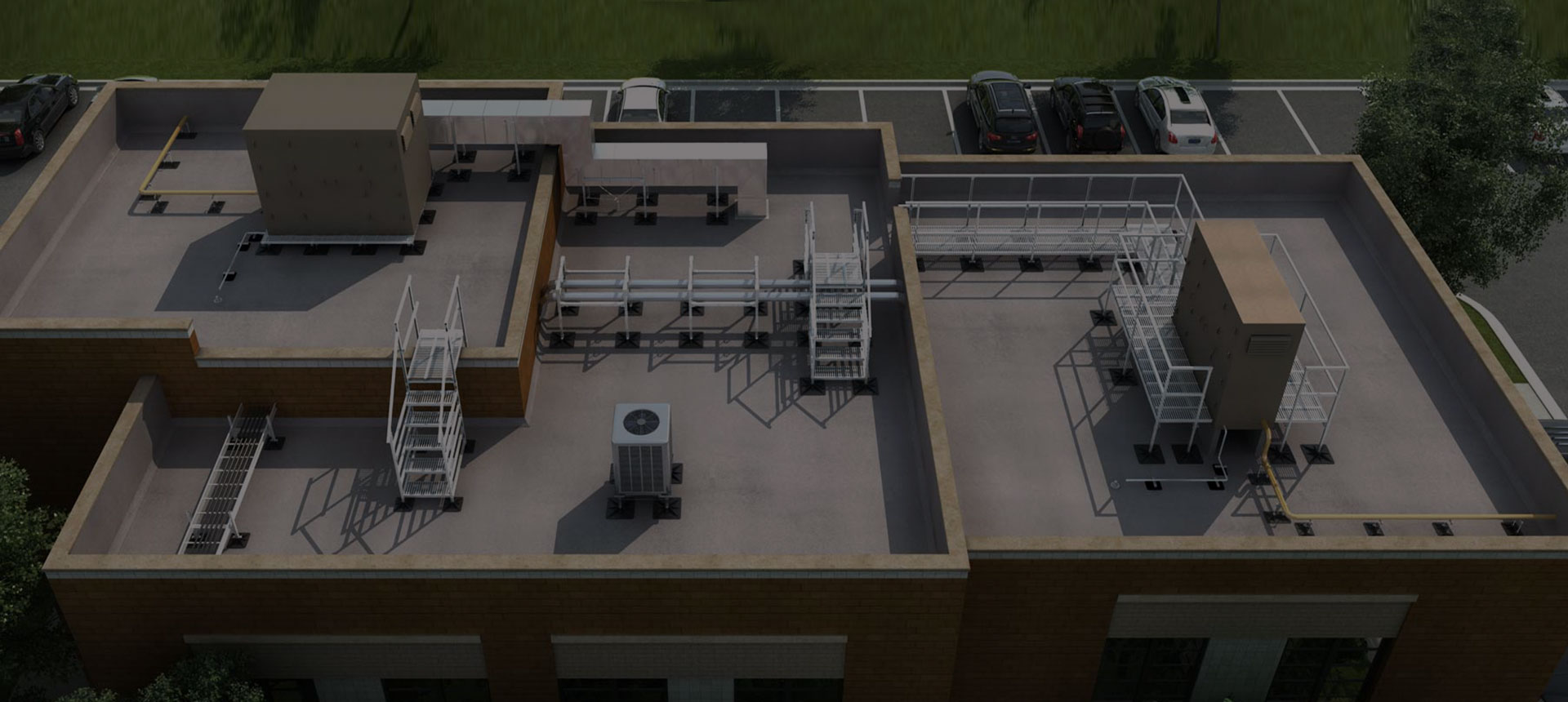

Protecting your roof and your workers means knowing when you need expert help. That requires recognizing both the type of problem you have and the seriousness of the situation, and that can only happen when you’re carrying out regular inspections of your rooftop supports and know what to look for.
Safety should be a primary concern in all areas of a commercial building. And your roof is an especially important area to implement safety protocols. In addition to building maintenance personnel, other individuals including contractors and repair people, security guards, insurance agents, inspectors, and window washers may all need access to your roof from time to time. Having a rooftop safety protocol in place will help prevent unnecessary accidents and their accompanying financial costs.
Topics: Roofing Maintenance, Roof Safety
Nothing is more frustrating than having to go back and fix an installation that wasn’t done right the first time. When it comes to installing piping or ductwork on a rooftop, the pipe support design and system are the most important elements that often get overlooked. These oversights can result in unnecessary and costly repairs.
Insider Guide to Protecting Your Roof Supports from High Wind
Whether there are hurricanes and tropical storms on the coasts, or tornadoes and damaging straight winds inland, high winds have the potential to inflict serious damage on buildings. And rooftop structures are particularly vulnerable to wind damage! As the interface between roof equipment and the building envelope, your roof supports are a critical element to consider in your precautions against high wind events.
Most roofing professionals recommend twice-yearly roof inspections. And this is not just about their bottom line! Regular roofing maintenance and inspections have been proven to increase roof longevity significantly. Not inspecting can in some cases even void your roof warranty.
Topics: Roofing Management, Roofing Maintenance
A PE stamp shows your commitment to the standards of proper engineering and signifies to the public that a PE has taken professional responsibility for your project. A great deal is considered when granting a PE stamp. This is an inside look at the professional engineer stamp process for rooftop support systems:
Topics: Rooftop Support Engineering
Your roof can be a dangerous place without the proper equipment in place for maintenance professionals. It’s no wonder roofers continue to be at the top of the most dangerous jobs list each year. In fact, the Washington Post just named roofers as the fifth deadliest job of 2013.
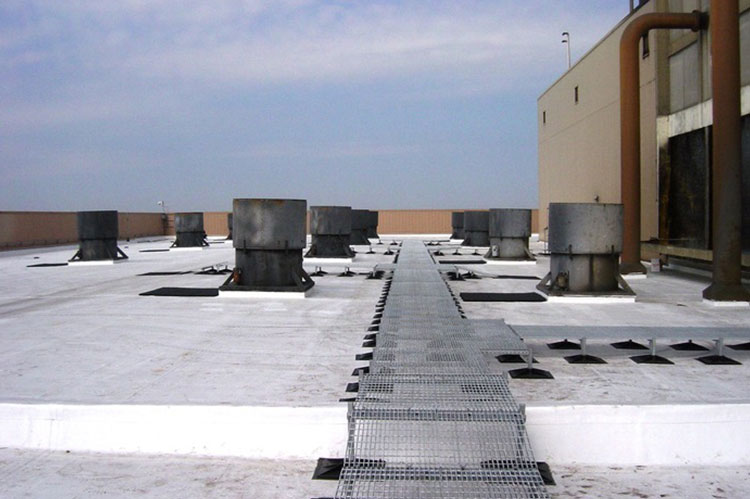
Roof walkways are an easy solution to protect employees, equipment, and the rooftop itself. And if you really need convincing, here are four reasons why you really ought to consider installing them as soon as possible:
Topics: Roofing Management, Roofing Maintenance
When it comes to roof supports not all systems are made equal. The different types of materials used to create rooftop support system bases all have their pros and cons. But not all rooftop supports meet the necessary requirements and standards, jeopardizing the roof warranty and the system performance. The heart of any rooftop support system is the base.
Topics: Installation Tips, Roofing Maintenance
Should you get a professional engineer stamp? According to the National Society of Professional Engineers (NSPE), government agencies, educational institutions, and private industries are requiring contract work with licensed professional engineers in greater numbers today. Not only is a PE Stamp of higher demand, it also shows that you hold your work to a higher standard. So, in other words, yes, you should.
Topics: Rooftop Support Engineering
How Can Improper Roof Equipment Supports Void My Warranty?
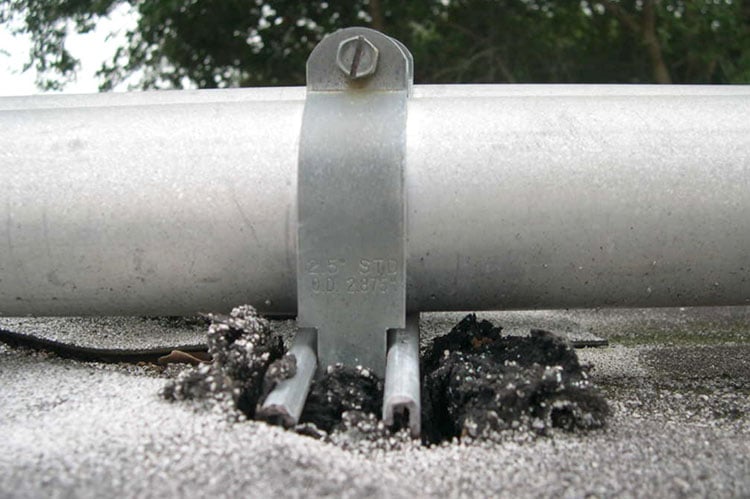
When improper rooftop support systems are designed, engineered, or installed incorrectly, they can have a significant impact on the structural integrity and performance of a building’s entire roof area. In fact, the use of improper or inadequate roof equipment supports is one of the most common causes of roof failure – and don’t think that roofing membrane manufacturers and installers don’t know it too!
Topics: Roofing Management