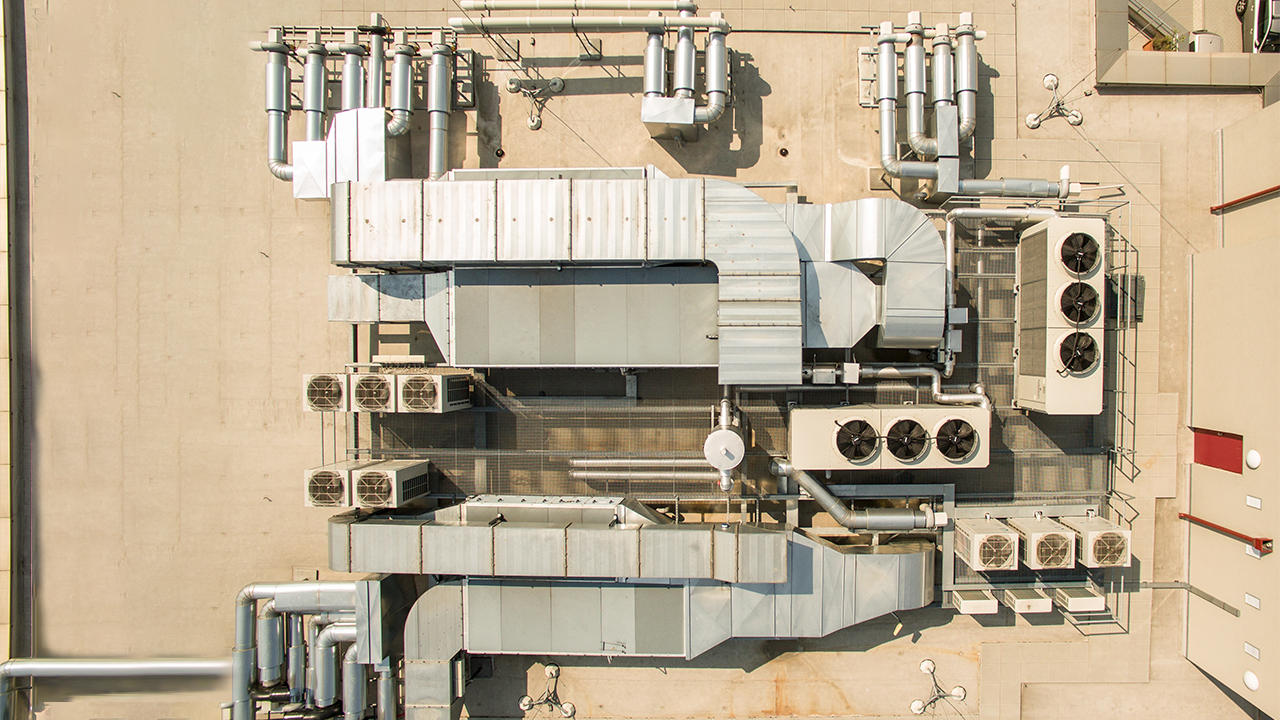

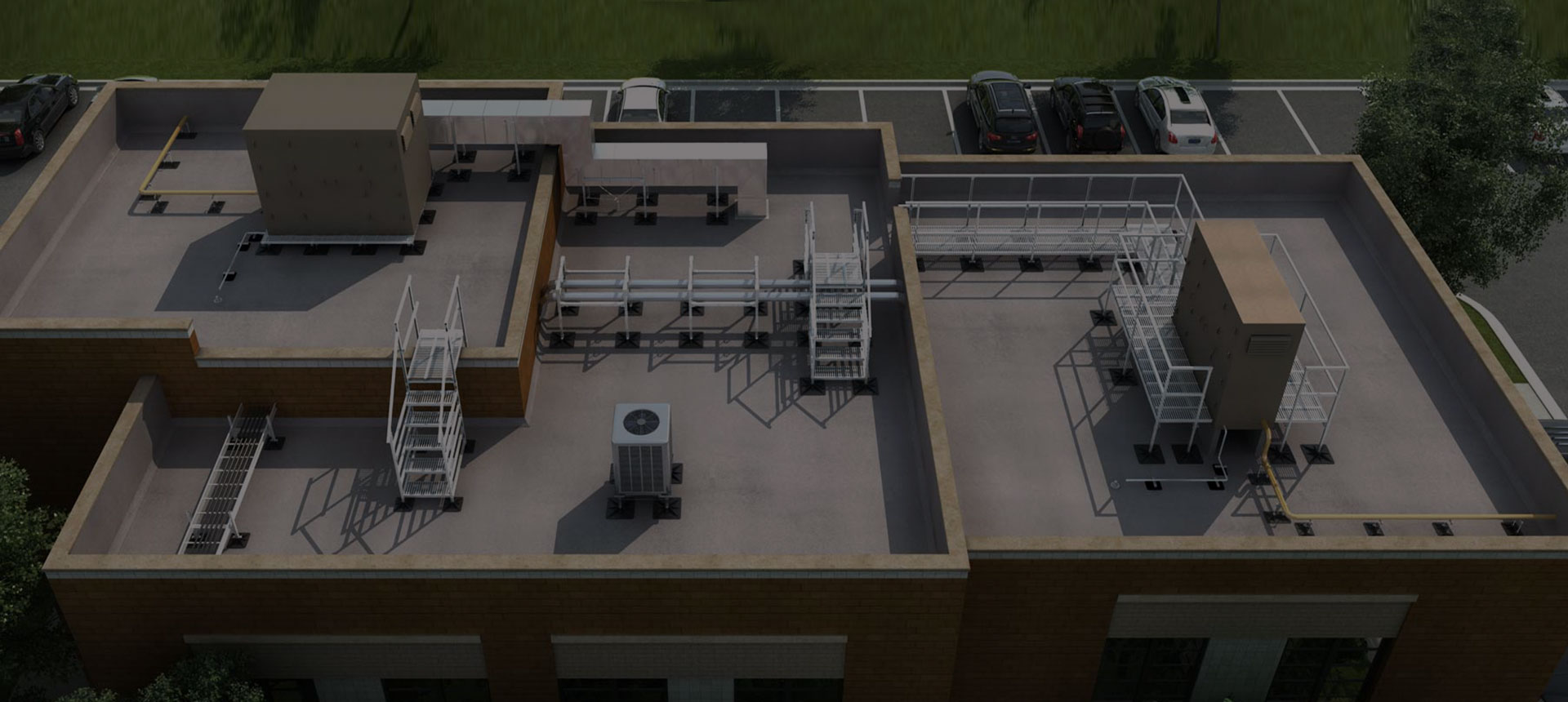
Hurricane season is here, and commercial roofs can see damage as a result. Heavy rain, wind gusts, flash flooding, and debris can all result in problems for your roof, especially for low-slope roofing which poses additional vulnerability during extreme weather with risks to the perimeter, corners, and flashing areas. Today, we’re discussing how to prepare now for hurricane season, what you should do when you know a hurricane is on the way, and what you should do after a hurricane strikes. We will illustrate how using rooftop support systems can reduce the incidence of damage by eliminating some of the risks that come with storing equipment directly on the rooftop.
How Hurricanes Can Impact Rooftops and Rooftop Equipment
Topics: Roof Safety, Rooftop Equipment
Why It’s Important to Plan and Design Your Commercial Rooftop
When most people think of commercial rooftops, the word “design” doesn’t come to mind—but maybe it should. Planning and designing aren’t just about aesthetics. A thorough design process also allows for the most efficient use of space, saving you time and money in the long run. Having a dedicated rooftop support system helps you maximize your rooftop space as well as creates a safe and organized area for maintenance and building personnel. Planning can help reduce potential accidents and damage to your roof.
How Expecting Unexpected Weather Protects Your Commercial Roof
Commercial building owners plan for expected events. In Texas, we know that summers will be rife with scorching heat. Up north, buildings must be ready for heavy snow. What happens when things don’t go as expected, and damage occurs as a result? Having a sound plan to deal with contingencies is important for all commercial building owners.
Topics: Roofing Management
Many commercial buildings have taken steps to become more environmentally conscious over the past several years, but the green construction movement is amping up in 2021 and will continue in the years ahead. We discuss emerging trends and the continued dedication to eco-consciousness for commercial buildings.
Topics: Construction
Even if you live in a relatively dry climate, the summer might be one of the worst seasons for your commercial roof. The sun can damage nearly any exposed roofing material, and strong summer storms can take advantage of this damage if it’s left unmitigated. Now that spring is upon us, it’s the perfect time to begin inspecting your commercial roof and hardening it against the following four factors over the months ahead.
Topics: Roofing Maintenance
As all commercial building managers know, providing safe and reliable rooftop access is imperative to ensure that any equipment stored in this area is properly maintained. Accessing this equipment is often easier said than done, however. Without proper planning, you may encounter multiple safety and logistical issues. The best way to ensure easy rooftop access for workers and all personnel is to invest in a complete rooftop access system—including stairs, platforms, and crossovers—all of which work together to create an ideal rooftop solution that protects your equipment and roof as well as workers.
Topics: Roof Safety
Commercial Roof Maintenance: Enhancing Performance Against the Elements
With the heat of the summer on the horizon, it’s natural to start thinking about commercial roof maintenance and how to combat the destructive effect of full-strength sunlight. The truth is that every season has its own set of weather-related concerns that can wreak havoc on your roof and rooftop structures. The key to preventing damage is developing and perfecting a robust maintenance plan that will protect your roof, no matter the season. From pounding rain and harsh winds to hot sun and chilling ice, we discuss how the elements can affect your roof and what you can do to combat the effects of these events.
Topics: Roofing Maintenance
No matter where you’re located, your commercial rooftop will generally be subjected to some form of extreme weather, whether this means storms, heavy winds, snow, tornadoes, and even earthquakes or hurricanes. Buildings that are constructed in areas known to experience extreme weather or seismic events need more than traditional roof support equipment. Here’s what you should be aware of based on the dangers you’re going to face.
Topics: Roofing Management
How Rooftop Supports Bring Efficiency to Roof Maintenance Management
Regular maintenance is essential in preserving the condition of your commercial roof and ensuring its longevity — as well as helps building managers save money in the long run by avoiding needless and unexpected repairs. By utilizing rooftop support equipment, building managers are taking proactive steps to protect commercial roofing and making it easier for maintenance personnel to perform routine commercial roof maintenance.
Building managers must contend with various obstacles and elements that can wreak havoc on commercial rooftops and any equipment stored on them. Each aspect of the roof—from the membrane to the roof edge—requires regular maintenance and inspection. Without the right rooftop equipment, however, your workers will be unable to do their job without endangering themselves or the commercial roof that they’re trying to protect.