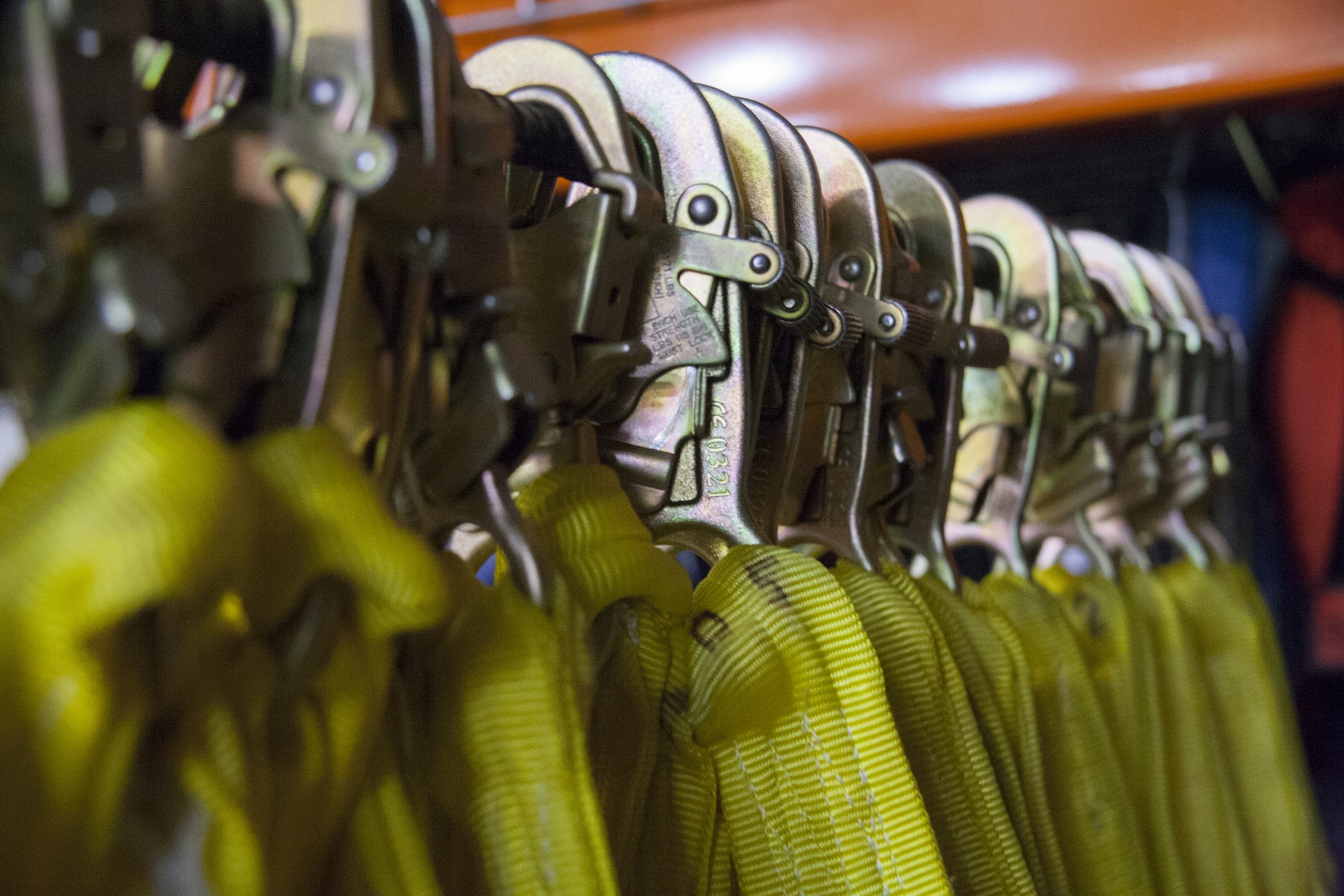


OSHA, or Occupational Safety and Health Standards, cites section 1926.501 as its most frequently cited violation of 2015. In fact the essence of the standard requires a personal fall arrest system that has both adequate “strength and structural integrity” for construction workers who are exposed to vertical drops of 6 feet or more, to four feet in general industry, and to five feet in maritime scenarios and applies to all states in the USA, all US territories, and the District of Columbia.
It is understood by many in the know in the building industry that roofing cover boards can often be the unsung hero of a given roof assembly. Though seemingly mundane and inexpensive, they are also highly effective and promote the durability and longevity of a roof. In short, they are worth the investment. Their added durability protects against damage from hail, fire, wind uplift, and other kinds of unfavorable weather, all at a very reasonable upfront cost.
Construction is a broad industry which encompasses many different types of building processes. Today, one of the growing construction categories is modular construction. Discover what modular development is, and some of the pros and cons, so you can determine if modularly constructed components may become part of your future growth.
As climate change and the rapid evolution of the caliber and quantity of earthquakes, floods, and hurricanes continues to develop, governments around the world are quickly making plans to face the future environmental challenges ahead. Many have all seen recent proof of what is to come. In the US, according to such respected organizations as National Geographic, World Bank, the National Hurricane Center, and indeed including the recent groundbreaking research conducted at MIT, the increased warmer conditions of the ocean almost certainly elevated wind speeds of the recent Hurricane Harvey in Texas by 45 miles per hour in its last 24 hours before landfall, causing what has now been deemed “catastrophic” flooding.
All About Continuing Education Units for Architects and Engineers
There are many different reasons to participate in continuing education activities if you are an Architect or Engineer. Of course the primary reason that most of us do it is that our licensure requires it. Being professionally licensed as an Architect or Engineer means you must obtain a certain number of hours of continuing education annually, from as little as 8 to as many as 30, depending on your state. Individuals must keep their own records of these efforts as they are done on good faith but open to the occasional audit.
7 Tips for Making Your Commercial Roof Stand the Test of Time
Roofing professionals will tell you that roof lifespans are typically based on averages. This is a function of location. But some materials will outperform others in any given place. The following guidelines are designed to help you make your roof perform to the very best of its potential, no matter where it may be.
Topics: Rooftop Support Engineering, Roofing Management, Roofing Maintenance, Roof Architecture, Construction
By now most of us in the building and design industry have heard of green roofs and know roughly what they are – a rooftop garden system (either extensive or intensive) and most of us have at least heard of blue roofs – a rooftop water storage system (either active or passive). But when considering both types, you may need to compare a blue roof to a green roof for your upcoming project.
Topics: Roof Architecture, Construction
Saving Energy With Cool Roofing Materials Is Getting Easier
Thanks to the rise of new cost-effective “cool” materials and “cool” techniques (cool = reflects more sunlight), the building industry finally has some scientifically sound ways proven to moderate energy use over the course of a new or even an existing building’s lifetime. Energy savings mean cost savings. According to the EPA, the costs of choosing a cool roof coating or membrane can be somewhat comparable to the upfront cost to a non-cool roof, but cool materials provide better payback through substantial net energy cost savings and longer life expectancy.
Topics: Installation Tips, Roofing Management, Roof Architecture, Construction
When designing a school building, all safety and security measures must be taken into account in order to protect the lives and property of its occupants. In addition to limiting access to the campus through doors or gates, integrating security checkpoints into the flow of traffic and installing bollards where necessary, there are more recondite means of ensuring the integrity of the building and the safety of its users.
Topics: Rooftop Support Engineering, Roofing Management, Roof Safety, Roof Architecture
4 Reasons to Stop Using Wood for Rooftop Pipe & Equipment Supports
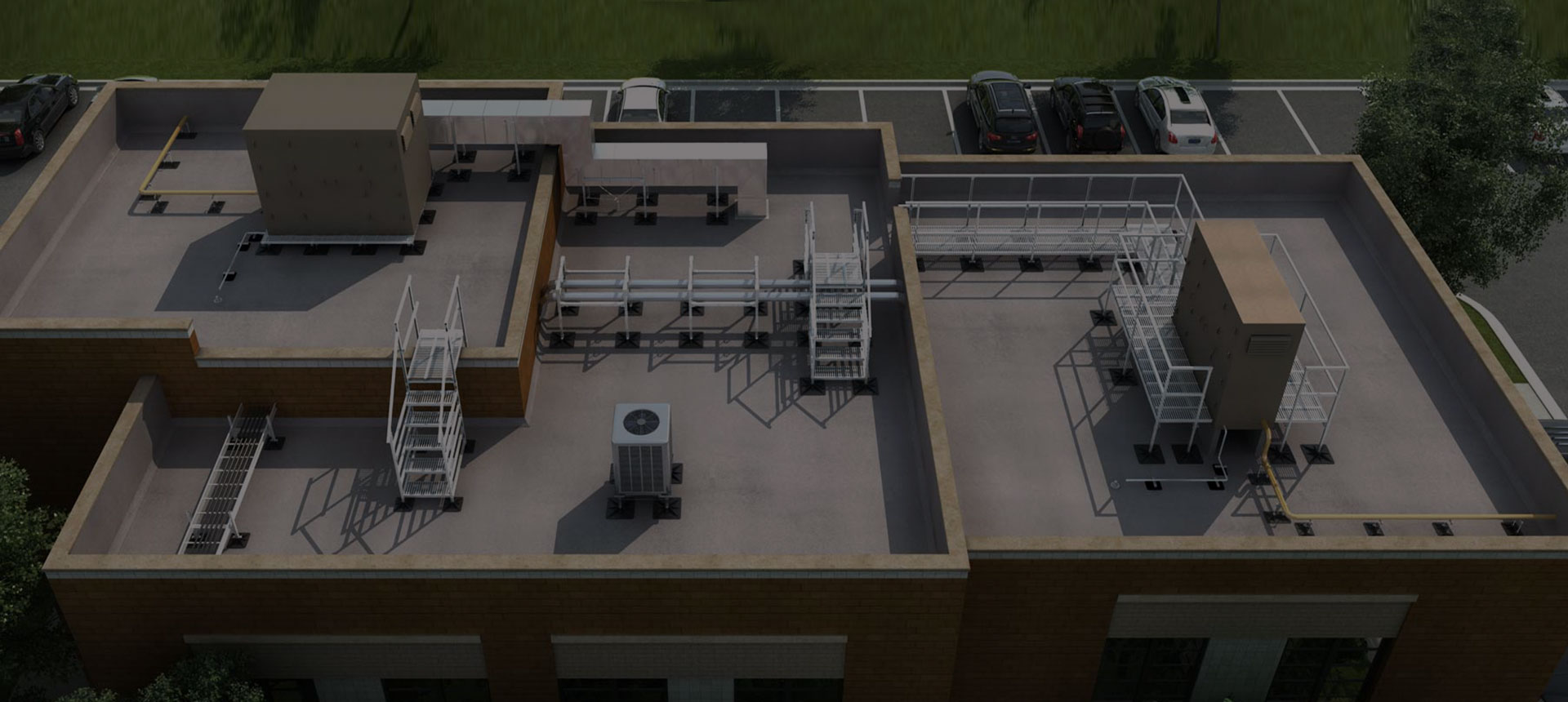
If you do business out of a building that is relatively old, it likely has wooden supports to hold up pipes and equipment on the roof. This approach to commercial and industrial rooftops deserves some fresh thinking, since better solutions are now available.
Topics: Rooftop Support Engineering, Roofing Maintenance, Roof Architecture