
When considering support structures for heavy equipment, it is crucial to ensure they are designed and manufactured to handle the specific requirements of your equipment and comply with safety regulations. Proper support structures enhance the safety, longevity, and efficiency of both the equipment and the building.
This article will discuss the key factors to consider when getting support structures for heavy equipment manufactured.
A Closer Look At Heavy Equipment Roof Support Systems
Heavy equipment roof support systems are essential for maintaining the structural integrity of buildings, especially those that house substantial machinery on their rooftops. These systems prevent damage to the roof membrane, distribute loads evenly, and ensure the equipment remains securely anchored, even under extreme weather conditions.
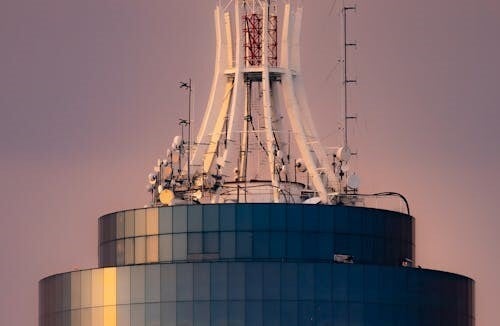
Roof support systems can handle various types of heavy equipment, including HVAC units, generators, solar panels, and communication antennas. Each type of equipment has unique requirements that must be considered when designing and manufacturing support structures.
Key Considerations for Heavy Equipment Support Structures
Load-Bearing Capacity
The primary consideration for any support structure is its load-bearing capacity. The structure must be capable of supporting the weight of the equipment, including dynamic loads from wind and seismic activity.
The load-bearing capacity of the support structure is critical. It must be able to support the static weight of the equipment as well as dynamic loads such as wind and seismic forces. For example, HVAC units and generators typically require very high load-bearing capacities due to their substantial weight and the dynamic forces they encounter.
Material Selection
Choosing the right materials is crucial for the durability and performance of the support structure. Materials should be corrosion-resistant, capable of withstanding environmental exposure, and strong enough to support the equipment. Common materials include galvanized steel, aluminum, and stainless steel.
Selecting the appropriate material for the support structure is essential for durability and performance. Galvanized steel is commonly used due to its strength and corrosion resistance. Aluminum is another popular choice for its lightweight and anti-corrosive properties, making it suitable for solar panel mounts and communication antennas.
Compliance with Regulations
Support structures must comply with relevant safety and building codes, such as OSHA, IBC, and NFPA guidelines. Compliance ensures that the structures are safe, reliable, and legally approved.
Adhering to safety and building codes such as OSHA, IBC, and NFPA ensures that the support structures are safe and reliable. Compliance with these regulations also helps avoid legal issues and ensures that the building meets all safety standards.
- OSHA (Occupational Safety and Health Administration): Ensures that the work environment is safe for employees, requiring proper fall protection and secure installation of rooftop equipment.
- IBC (International Building Code): Provides guidelines for the design and installation of rooftop equipment supports, ensuring they can handle environmental stresses.
- NFPA (National Fire Protection Association): Addresses electrical safety and lightning protection for rooftop equipment.
Thermal Expansion and Contraction
Support structures must accommodate thermal expansion and contraction to prevent damage caused by temperature fluctuations. This involves designing flexible joints and supports that can move with the roof as it expands and contracts.
Support structures must be designed to accommodate thermal expansion and contraction to prevent damage caused by temperature fluctuations. Flexible joints and supports that can move with the roof as it expands and contracts are essential for maintaining the structural integrity of both the support system and the rooftop equipment.
For example, an HVAC support structure designed to accommodate thermal expansion might include flexible joints that allow for up to 2 inches of movement in any direction. This flexibility helps prevent stress fractures and maintains the integrity of the roof membrane. Similarly, pipe supports might be engineered to allow for 1.5 inches of expansion and contraction, ensuring that the pipes remain aligned and securely anchored without exerting undue stress on the roof structure.
Vibration Isolation
Heavy equipment can generate significant vibrations, which can damage the roof and the equipment itself. Incorporating vibration isolation features into the support structure can mitigate this risk.
Heavy equipment, such as HVAC units and generators, can generate significant vibrations, which can damage both the roof and the equipment. Incorporating vibration isolation features into the support structure can mitigate this risk, ensuring the longevity and proper functioning of the equipment.
For instance, vibration isolators used in HVAC support structures can reduce vibration transmission by up to 95%. These isolators are often designed to handle specific load capacities, such as 500 pounds per isolator, to ensure optimal performance.
For generator supports, incorporating vibration-dampening pads that are 1 inch thick can significantly reduce the transmission of vibrations, protecting both the equipment and the roof structure. These measures help ensure the longevity and proper functioning of the equipment while also maintaining the structural integrity of the building.
Maintenance Accessibility
Designing support structures with maintenance accessibility in mind ensures that maintenance personnel can easily and safely access the equipment. This includes providing walkways, crossovers, and platforms that offer safe pathways to all equipment.
Designing support structures with maintenance accessibility in mind is crucial for the safe and efficient maintenance of rooftop equipment. Providing walkways, crossovers, and platforms ensures that maintenance personnel can easily and safely access all equipment, reducing the risk of accidents and improving maintenance efficiency.
In summary, here are the key considerations to make when getting rooftop support structures for some common heavy equipment:
|
Equipment Type |
Material Options |
Load-Bearing Capacity |
Additional Features |
|
HVAC Units |
Galvanized Steel, Aluminum, Stainless Steel |
High |
Vibration isolation, thermal expansion joints |
|
Generators |
Stainless Steel, Galvanized Steel |
Very High |
Heavy-duty anchoring, weather resistance |
|
Solar Panels |
Aluminum, Galvanized Steel |
Moderate |
Optimal angling, anti-corrosion coatings |
|
Communication Antennas |
Aluminum, Stainless Steel |
High |
Wind bracing, vibration isolation |
Final Words
At PHP Systems/Design, we specialize in creating customized roof support solutions that meet the highest safety and compliance standards. Our designs incorporate the latest innovations in material science, load distribution, and fall protection to ensure that your rooftop installations are secure, durable, and compliant with all relevant regulations.
Whether you need support structures for HVAC units, generators, solar panels, or communication antennas, our expert team can create a solution tailored to your specific needs. For reliable, compliant, and innovative rooftop support solutions, contact PHP Systems/Design at 800.797.6585. Let us help you enhance the safety and compliance of your building with our state-of-the-art support systems.