In May of this year, Roofing Magazine published, and hosted on their site, an “On My Mind” piece from our director of Sales, Marion McKnight. The article was intended to help bring to light potential risks associated with skylights so that building owners, asset management professionals, and anyone else involved in the purchasing decision for such a product could make a more informed decision. Unfortunately, there were some who did not appreciate our commentary and felt it was an attack on the use of skylights in general. This couldn’t be further from the truth. Besides my involvement with PHP Systems/Design, I am also the owner of a skylight manufacturing company, VTech Skylights, so, naturally, I would not encourage something to be written that would discourage the use of skylights.

Hurricane season on the Atlantic and Gulf coast runs from June 1st through November 30th each year. The peak of the season tends to be in August and September. What this means for building owners, operators, and maintenance professionals is that it's time to put in a bit of work with regards to building, roof, and equipment supports to make certain commercial buildings are prepared for the potential storms ahead. While every structure will have different steps that must be taken to protect it, we’ve put together a few points you may want to consider as you prepare for potential inclement weather.
Topics: Roofing Management, Roof Safety
Complying with OSHA regulations isn’t always easy – or cheap. But neither are OSHA citations and their accompanying costs. In fact, with the passage of the 2015 budget, fines for violating OSHA regulations are going up for the first time in 25 years. The new budget allows for increases of up to 150% of current fines. However, the details still have to be hammered out.
Topics: Roof Safety
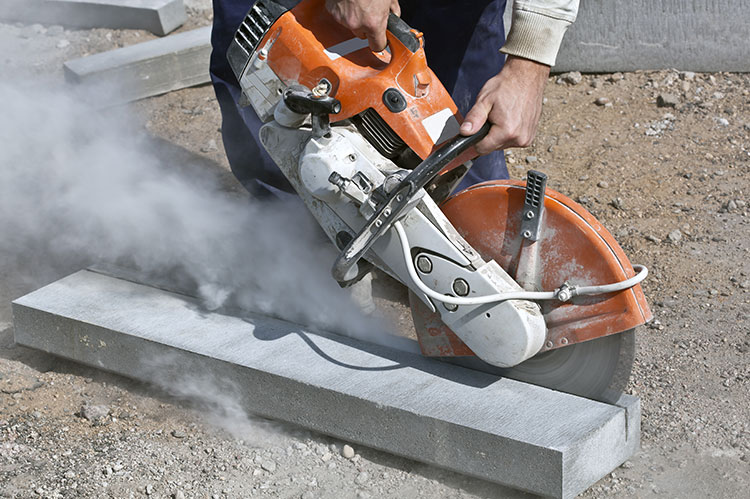
Sometime this spring, OSHA is expected to release new rules regulating workers’ exposure to silica dust. These rules are expected to include two sets of standards, one for general and maritime industries, and one for the construction industry – and they could have a huge impact on your roof safety and standard procedures. Here’s what you need to know:
Topics: Roofing Management, Roof Safety
What Are the Differences Between Federal vs. State OSHA Regulations?
Everyone in the construction and/or facilities management industry is familiar with the need to comply with OSHA for worker protection and roof safety. But what a lot of employers don’t realize is that OSHA regulations have limitations – and that some states have passed laws that go above and beyond what the federal program requires.
Topics: Roof Safety
Rooftops are dangerous places and various organizations have done their part to raise awareness and eliminate preventable deaths, and OSHA is no exception. In fact, there are over one thousand OSHA regulations addressing fall safety. That’s more than anyone can keep track of, and even OSHA knows that. That’s the motivation behind the agency’s fall prevention campaign: Not giving companies permission to ignore or violate regulations, but boiling it all down to easy-to-understand, easy-to-implement, common sense guidelines on rooftop safety.
Topics: Roofing Maintenance, Roof Safety
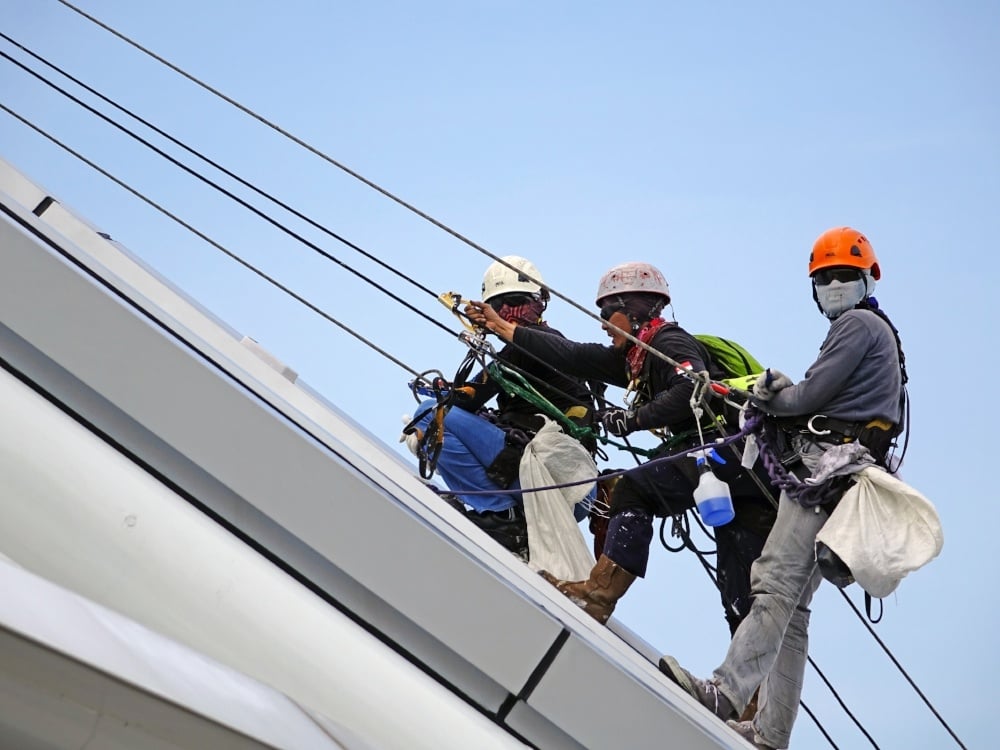
It goes without saying that working in commercial roofing is a risky occupation, but do you really know how risky? The actual numbers may surprise you. Of the top 10 riskiest jobs, roofing comes in at number six. Workers in the roofing industry are three times more likely to have a fatal injury than workers in other industries, and about 50 roofers are killed on the job each year.
Topics: Roof Safety
If you look at photographs taken during the construction of the Empire State Building, it’s obvious that worker safety has come a long way since the 1930s. Back then, it was commonplace for workers to dangle off the side of tall buildings without harnesses, and there were few, if any, hardhats to be seen on construction sites.
Topics: Roofing Management, Roof Safety
OSHA has long regulated work done in confined spaces in the interest of minimizing risks to workers. On August 3, 2015, however, new OSHA regulations went into affect that will significantly impact the construction industry. Are you ready for the changes to come?
Topics: Roofing Maintenance, Roof Safety
9 Critical Things to Know in Case of a Rooftop Safety Emergency
It’s trite but true: Accidents happen. Sometimes, no matter how many precautions you take or how well you train your employees on rooftop safety, something goes wrong. Unfortunately, the nature of working on a roof means that many of the resulting injuries are often very serious. A broken water pipe could cause a slip; an electrical short could cause a shock or a burn. And then there’s the dreaded fall, which can be especially scary when it happens from a high distance.
Topics: Roofing Management, Roof Safety